Higashi-ōsaka, Japan
- 489,077 people
- 14 places to visit
- 34.6793, 135.6009
Places to Visit (14)
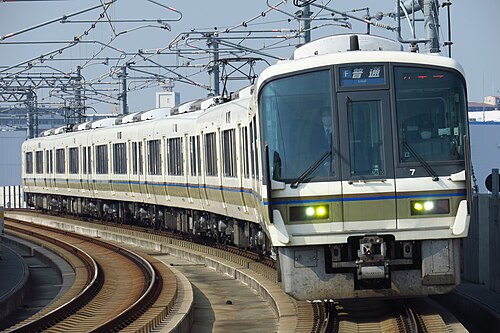
Higashi-ōsaka is a vibrant city located in the Kansai region of Japan, specifically within Osaka Prefecture. With a population of approximately 500,000 residents, it is situated just to the east of Osaka City, making it part of the Greater Osaka metropolitan area. Established as a city in 1971, Higashi-ōsaka has a rich history that dates back centuries, with roots tracing to the early settlements in the area. The city is known for its industrial base, housing a significant number of small and medium-sized enterprises that contribute to its economic vitality. Key industries in Higashi-ōsaka include manufacturing, textiles, and machinery, alongside a notable presence of modern high-tech industries.
The city is also a hub for education and innovation, featuring various educational institutions, including universities and vocational schools. Higashi-ōsaka is particularly recognized for its contributions to the development of skilled labor and technical expertise, providing a workforce that meets the needs of local industries. Moreover, the city is famous for its bustling shopping districts, traditional markets, and diverse culinary offerings, which reflect the regional flavors of the Kansai area. Cultural landmarks, such as temples and shrines, further enrich the city’s cultural identity, drawing both tourists and locals alike. Attractive parks and recreational areas provide residents with green spaces for leisure and community activities, enhancing the overall quality of life within the city.
Higashi-ōsaka is easily accessible by public transportation, with several train lines connecting it to neighboring Osaka City and surrounding areas. This connectivity makes it an attractive location for commuters and businesses alike. The city also embraces modern urban development while preserving its historical and cultural heritage, creating a unique blend of the old and the new. As Higashi-ōsaka continues to grow and evolve, it remains committed to fostering innovation and maintaining its reputation as a lively, industrious community within the Kansai region.
Facts about Higashi-ōsaka
- Higashi-ōsaka is known for its vibrant manufacturing industry, particularly in textiles, machinery, and metalworking, which distinguishes it from many other Japanese cities that may be more focused on tourism or services.
- The city is home to the famous Sakai Knife, known for its premium quality and craftsmanship, which has been produced in the region for centuries.
- Higashi-ōsaka hosts the annual Higashi-ōsaka Summer Festival, which features traditional Japanese dance and music, as well as local food stalls, making it a unique cultural celebration in the region.
- The city was officially established in 1971 when it was separated from the city of Ōsaka, reflecting its growth and development as an independent entity.
- Higashi-ōsaka is unique for its significant number of historical shrines and temples, including the Takayama Shrine, which dates back several centuries and showcases local architectural styles.
- The city has been a hub for sports, notably as the training ground for many Olympic athletes, particularly in martial arts like judo and wrestling.
- Higashi-ōsaka is recognized for its extensive network of parks and green spaces, making it one of the greener urban environments in the Kansai region.
- The city's unique cultural fabric includes a blend of traditional Japanese festivals and modern events, bridging the gap between past and present.
- Higashi-ōsaka is renowned for its unique local cuisine, particularly dishes influenced by the working-class history of the area, including hearty noodle dishes and fried snacks.
- The region is also noted for its educational institutions and research facilities, contributing to advancements in technology and engineering, setting it apart from many other cities in Japan.