Higashimatsushima, Japan
- 39,098 people
- 13 places to visit
- 38.4268, 141.2104
Places to Visit (13)
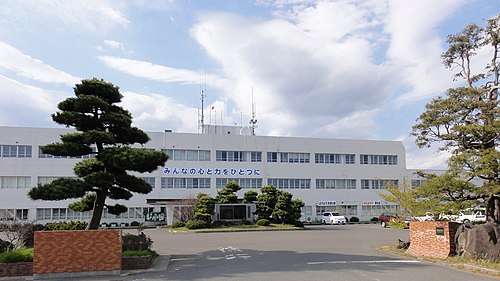
Higashimatsushima is a coastal city located in Miyagi Prefecture, Japan, along the Pacific Ocean. It is situated in the Tohoku region, approximately 30 kilometers east of Sendai, the capital city of Miyagi. The city was established in 2005 through the merger of several towns, including Matsushima, known for its scenic bay, and other adjacent municipalities. Higashimatsushima is noteworthy for its stunning natural beauty, characterized by rugged coastlines, picturesque islands, and rich marine biodiversity. The city is also blessed with a mild climate, making it an attractive destination for both residents and tourists.
Culturally, Higashimatsushima is famous for its historical sites and traditional Japanese aesthetics, with Matsushima being recognized as one of Japan's Three Most Scenic Views (Nihon Sankei). The area is dotted with well-preserved temples, shrines, and historic buildings, reflecting its cultural heritage. The Godaido Temple, a hall for commemorating the deceased, and the Zuigan-ji Temple, a significant Zen Buddhist temple, are among the highlights that attract visitors. Following the devastating 2011 Great East Japan Earthquake and Tsunami, Higashimatsushima underwent significant reconstruction and redevelopment, which has helped enhance its infrastructure and resilience to natural disasters. The local economy is supported by industries such as fishing, agriculture, and tourism, with many locally sourced seafood products gaining popularity both regionally and nationally. These efforts have contributed to the city's recovery and growth, ensuring that it remains a vital part of the Miyagi Prefecture landscape.
Facts about Higashimatsushima
- Higashimatsushima was significantly affected by the 2011 Tōhoku earthquake and tsunami, prompting extensive recovery and rebuilding efforts that have transformed its infrastructure and disaster preparedness.
- The city is home to the famous 'Matsushima Bay', often considered one of Japan's three most scenic views, featuring over 260 pine-covered islands.
- Higashimatsushima has a rich aviation history, being the site of the Matsushima Air Base, which has played a key role in Japan's Self-Defense Forces since its establishment.
- The city celebrates its local fishery culture through the 'Higashimatsushima Fish Market', which showcases fresh seafood and regional delicacies, contributing to the local economy.
- Higashimatsushima is known for its historical sites, including the ancient temple 'Kongō-ji', which dates back to the Kamakura period and is revered for its beautiful gardens.
- The city hosts the annual 'Higashimatsushima Matsuri' festival, featuring traditional music, dance performances, and a unique parade of floats, fostering community spirit.
- Unique to Higashimatsushima is the Ryokans on the Shida coastline, offering visitors a traditional Japanese hospitality experience with stunning views of the Pacific Ocean.
- The region around Higashimatsushima is known for its hot springs, with several ryokans and onsens that take advantage of the natural mineral-rich waters.
- Higashimatsushima's population is influenced by a blend of local traditions and the influx of visitors, making it a dynamic cultural hub in the Miyagi Prefecture.
- The city has made significant strides in renewable energy initiatives, particularly in solar energy, contributing to Japan's sustainability goals.