Higashimurayama, Japan
- 148,275 people
- 11 places to visit
- 35.7546, 139.4686
Places to Visit (11)
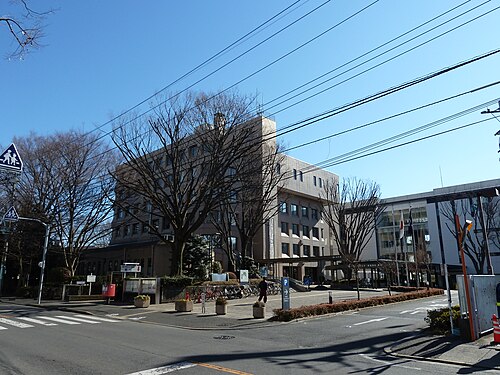
Higashimurayama is a city located in the western part of Tokyo Metropolis, Japan. Established as a city on January 1, 2001, it was formerly part of the larger Murayama District. It is situated approximately 30 kilometers from the center of Tokyo, making it a suburban area that attracts residents seeking a quieter lifestyle while maintaining access to the capital. Higashimurayama covers an area of around 15.03 square kilometers and has a population that hovers around 80,000 residents. The city is characterized by its diverse neighborhoods, comprising residential districts, parks, and some commercial areas, which contribute to both the livability and community-centric atmosphere of the city.
Higashimurayama is well connected to the rest of the Tokyo metropolitan area, with several railway lines like the Seibu Ikebukuro Line providing convenient access to central Tokyo and surrounding areas. The city's infrastructure supports a range of educational and recreational opportunities, with numerous schools, parks, and cultural facilities. One of the notable attractions in Higashimurayama is the Musashimurayama Park, which offers residents and visitors a space to engage in outdoor activities. The city also plays host to various festivals and community events throughout the year, often highlighting traditional Japanese culture. The blend of urban convenience with substantial green spaces not only enhances the quality of life for the residents but also fosters a strong sense of community. Overall, Higashimurayama represents a quintessential suburban experience in Japan, balancing modern urban living with the tranquility of nature.
Facts about Higashimurayama
- Higashimurayama is known for the historical site of the 'Murayama Kofun,' a keyhole-shaped burial mound dating back to the Kofun period, showcasing ancient burial practices unique to this region.
- The city celebrates the 'Higashimurayama Matsuri,' a vibrant local festival featuring traditional performances, food stalls, and community parades, reflecting the town's rich cultural heritage.
- Higashimurayama is home to the 'Fujimi Green Park,' a large green space that offers picturesque views of Mount Fuji on clear days, providing a unique outdoor recreational area distinct from urban centers.
- The city is historically associated with the 'Muranaka Family,' samurai who played a significant role during the Edo period, with a preserved residence that serves as a cultural heritage site.
- Higashimurayama hosts the 'Tama Art University,' which is renowned for its emphasis on arts and design, attracting students from all over Japan who seek a creative environment.
- The Egawa family, influential in the Edo period, contributed to the development of the area, with their land management practices differing significantly from other agricultural regions.
- Higashimurayama's local cuisine features specialty dishes such as 'Higashimurayama Soba,' made with locally sourced buckwheat, which sets it apart from other soba offerings in Japan.
- The city is noted for its research and development of gardening techniques, illustrated by its numerous flower festivals and plant exhibitions that celebrate biodiversity.
- Higashimurayama is home to the historic 'Jizō-ji Temple,' which houses over 300 Jizō statues, each representing the protector of children and travelers, unique in its artistic expression and importance.
- The 'Higashimurayama City Historical Museum' showcases a collection of artifacts and exhibits that detail the unique culture and history of the region, distinct from neighboring areas.