Hino, Japan
- 187,048 people
- 35, 136.25
No places available for this city.
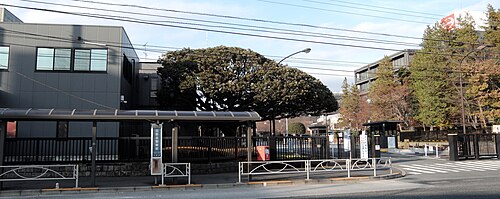
Hino is a city located in the western part of Tokyo Metropolis, Japan. It lies approximately 30 kilometers from the center of Tokyo and is part of the larger Tokyo metropolitan area. As of 2023, Hino has a population of around 180,000 residents, making it a moderately sized urban area. The city's strategic location provides easy access to central Tokyo via the JR East railway network, particularly the Chuo Line, facilitating convenient commuting for residents. Hino’s proximity to major urban centers allows it to benefit from both residential and commercial growth while maintaining a relatively peaceful suburban atmosphere.
Hino is characterized by a mix of residential neighborhoods, parks, and commercial facilities. The city is known for its emphasis on green spaces, with several parks and recreational areas that promote outdoor activities and community events. Notable parks include Hino Park, which features walking trails and playgrounds, and the Tama River, which runs nearby and offers opportunities for sports and leisure activities. The city is also recognized for its cultural spaces, including the Hino City Museum, which showcases local history and art, as well as various festivals that celebrate traditional Japanese culture. Additionally, Hino is home to several educational institutions, from elementary schools to high schools, which contribute to its appeal for families looking for a suitable place to live.
Economically, Hino has a diverse landscape that incorporates both small businesses and larger corporations, making it an important local economic hub. The city actively encourages the development of industries, promoting a balanced growth strategy to maintain its community-oriented character while expanding job opportunities. Its infrastructure is well-developed, with supermarkets, shops, and restaurants serving the daily needs of its residents. Overall, Hino presents a compelling blend of urban convenience, community atmosphere, and natural beauty, making it an attractive place to live and work within the Tokyo metropolitan area.
Facts about Hino
- Hino is known for its rich historical background, having been established as a city in 1955 but with roots going back to ancient times.
- The city is home to the historical Hino Mountain, which is often associated with herculean legends in Japanese folklore.
- Hino is part of Tokyo Metropolis, but it retains a unique suburban character, making it distinct from the more urban Tokyo.
- The city hosts the Hino City Museum, which features artifacts and exhibitions that showcase the culture and history of the area.
- Hino is famous for its annual Hino Fireworks Festival, which attracts thousands of visitors and is one of the most popular events in the region.
- This city has a notable association with automotive industries and is close to the headquarters of Hino Motors, known for its commercial vehicles.
- Hino's public parks, like the Hino Riverside Park, offer picturesque views along the Tama River, differentiating it from the busier parts of Tokyo.
- The city has numerous temples and shrines, notably the Hino Shrine, which is dedicated to the deity of safety and good fortune.
- Hino is home to the Hino Station, an important rail hub on the JR East Chūō Line, facilitating easy access to central Tokyo while maintaining a community feel.
- The architectural landscape of Hino features a blend of contemporary and traditional Japanese styles, including well-preserved buildings from the Edo period.