Hiroshima, Japan
- 1,199,391 people
- 13 places to visit
- 34.3853, 132.4553
Places to Visit (13)
Hiroshima, located in the western part of Honshu, Japan, is the capital of Hiroshima Prefecture and is renowned for its historical significance and cultural heritage. As of 2023, the city has a population of approximately 1.2 million people, making it one of Japan's major urban centers. Hiroshima's location on the delta of the Ota River, near the Seto Inland Sea, contributes to its beautiful scenery and strategic importance. Initially founded in the 16th century, the city underwent extensive development over the decades, burgeoning into a key base for military operations during World War II.
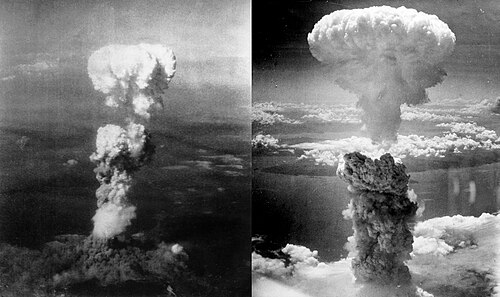
Hiroshima is perhaps best known globally for being the first city to suffer an atomic bombing on August 6, 1945, during the final stages of World War II. The bomb, known as "Little Boy," resulted in massive destruction and a staggering loss of life, with an estimated 140,000 residents succumbing to its immediate effects by the end of that year. The aftermath of the bombing left the city in ruins and marked a pivotal moment in global history, representing the devastating potential of nuclear warfare. In remembrance of the tragedy, the Hiroshima Peace Memorial Park was established, which includes the iconic Atomic Bomb Dome—one of the few structures left standing after the explosion. The park serves as a solemn reminder of the impact of this event, emphasizing the importance of peace and the need to prevent future conflicts.
Today, Hiroshima has transformed from a city of destruction into a symbol of resilience and hope. The local economy is diverse, with key industries including manufacturing, research and development, and tourism. Educational institutions, such as Hiroshima University, contribute to the city's vibrant academic environment. Hiroshima also hosts cultural events, such as the Hiroshima Flower Festival and the annual Peace Memorial Ceremony, which attracts visitors from around the world. The city's rich cultural landscape includes traditional Japanese arts, contemporary museums, and culinary offerings, including its famous Hiroshima-style okonomiyaki, a popular savory pancake. Hiroshima's unique blend of historical significance, cultural richness, and resilient spirit continues to attract both domestic and international tourists, promoting a message of peace and solidarity in a world still grappling with the consequences of war.
Facts about Hiroshima
- Hiroshima is known for being the first city in the world to be targeted by an atomic bomb on August 6, 1945, during World War II.
- The Hiroshima Peace Memorial Park is dedicated to the victims of the atomic bombing and houses several important monuments, including the Atomic Bomb Dome, a UNESCO World Heritage Site.
- Hiroshima has a unique cuisine called 'Okonomiyaki', which is a savory pancake made with layers of ingredients, differing significantly from versions found in other regions of Japan.
- The Hiroshima Carp is a professional baseball team known for its passionate fanbase and has contributed to the city's strong sports culture.
- Hiroshima was once home to the largest number of Shinto shrines in the country before the war; however, many were destroyed in the bombing.
- The Hiroshima Peace Memorial Museum showcases artifacts and testimonies related to the atomic bombing, focusing on the impact of nuclear warfare.
- The city has a significant international presence, hosting various peace-related events and conferences aimed at promoting nuclear disarmament.
- Hiroshima's historical significance as a site of peace negotiations has led to its designation as a Global City of Peace.
- Every year, thousands gather for the Hiroshima Peace Memorial Ceremony to honor the victims and promote a message of peace and anti-nuclear sentiment.
- The rebuilding efforts after the atomic bombing transformed Hiroshima into a symbol of resilience, showcasing a blend of modern architecture and memorials.