Hjørring, Denmark
- 25,644 people
- 6 places to visit
- 57.4568, 9.9958
Places to Visit (6)
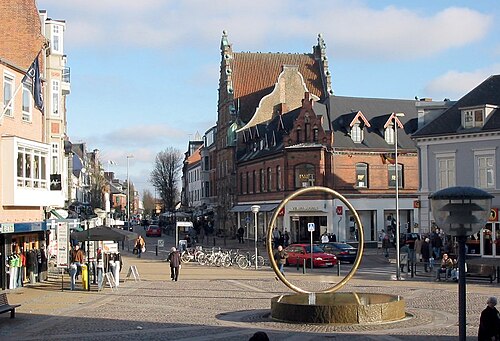
Hjørring is a vibrant city located in North Jutland, Denmark, and serves as the administrative center of the Hjørring Municipality. Situated approximately 30 kilometers south of the Skagen Odde, where the North Sea meets the Kattegat, Hjørring is known for its rich history, picturesque landscapes, and cultural significance. The city has a population of around 26,000 residents, making it one of the larger urban areas in Northern Jutland. Traditionally, Hjørring was a hub for agriculture and trade, benefiting from its strategic location, which enabled early growth and development. The city’s historic roots can be traced back to the 12th century, evidenced by notable landmarks such as the Hjørring Church, built in the Romanesque style, and the remnants of the medieval fortifications.
Hjørring's development transitioned over the years from its agricultural background to a more diversified economy, characterized by commerce, services, and manufacturing. The city offers a range of amenities, including shopping centers, educational institutions, and recreational facilities that contribute to a high quality of life for its residents. One of the standout features of Hjørring is its commitment to green spaces and sustainability, with numerous parks and recreational areas that cater to outdoor enthusiasts. The nearby Vester Torv square is a lively gathering point, where residents and visitors can enjoy cafes, shops, and cultural events. Moreover, Hjørring has a strong sense of community, with various festivals celebrated throughout the year, such as the annual Hjørring Festival, which showcases local music, art, and cuisine, attracting both locals and tourists.
Hjørring's strategic location also makes it a gateway to the scenic landscapes and recreational opportunities available in the surrounding areas. Nearby, the stunning beaches of the North Sea, the Limfjord region, and the picturesque countryside offer a multitude of outdoor activities, including hiking, cycling, and water sports. The city is also a short distance from attractions such as the Rubjerg Knude Lighthouse and the historic town of Skagen. Hjørring is well-connected through public transport, including trains and buses, facilitating easy access to other cities in Denmark and enhancing its appeal as a residential and tourist destination. With its blend of history, culture, and nature, Hjørring represents a unique aspect of Danish urban life and continues to thrive as a center of community and commerce in Northern Jutland.
Facts about Hjørring
- Hjørring is the northernmost city in Denmark and serves as the capital of the Vendsyssel region.
- The city's history dates back to the Viking Age, making it one of Denmark's oldest settlements.
- Hjørring is known for the historic Hjørring Cathedral, a stunning example of Gothic architecture dating back to the 12th century.
- The city hosts the Nordjyllands Kunstmuseum, which showcases a significant collection of contemporary art and regional historical works.
- Hjørring is famous for its annual Hjørring Festival, a cultural event that brings together music, theater, and local cuisine, attracting visitors from across the region.
- The nearby Vesterhavet (North Sea) beaches, particularly at Løkken and Blokhus, are popular tourist destinations with fine sandy beaches and vibrant summer activities.
- Hjørring has a unique natural feature called the 'Bjerget,' a protected hill that is the highest point in the surrounding area, providing scenic views.
- The city is also known for its commitment to sustainability, boasting various green initiatives and being a host to the annual sustainable energy conference.
- Hjørring was significantly impacted during World War II, with many historical sites reflecting its wartime history, including the preserved bunkers along the coastline.
- The city is distinguished by its unique architecture, featuring a blend of historical structures and modern buildings, giving it a distinctive charm.