Hlotse, Lesotho
- 43,967 people
- 2 places to visit
- -28.8638, 28.0479
Places to Visit (2)
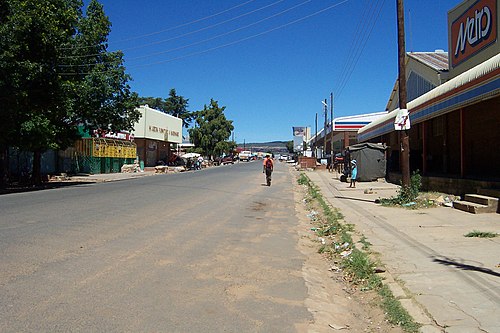
Hlotse, also known as Leribe, is a prominent town located in the Leribe district of Lesotho. Situated in the north-central part of the country, Hlotse serves as the administrative and economic hub of the district. Nestled in a mountainous region, the town lies at an altitude of approximately 1,600 meters (5,250 feet), contributing to its cool climate characterized by cold winters and mild summers. Hlotse is strategically positioned near the Malibamatšo River, which provides not only scenic beauty but also vital agricultural resources for the surrounding rural communities. With a population of around 18,000 residents, the town has a vibrant community that combines traditional Basotho culture with modern influences.
The economy of Hlotse is primarily based on agriculture, trade, and services. Many locals engage in subsistence farming, growing crops such as maize, beans, and sorghum. The town has a variety of businesses that cater to the needs of its residents, including shops, markets, and small manufacturing establishments. Additionally, Hlotse is a transportation hub, facilitating commerce and trade within the region. The area is also home to educational institutions, including schools and vocational training centers, which play a crucial role in enhancing literacy and skill development among the youth. The town's cultural richness is evidenced in its traditional crafts and textiles, which are prominently displayed in local markets, promoting both heritage and economic activity.
Hlotse is well-connected to other regions of Lesotho through a network of roads, making it accessible for both locals and visitors. One of its notable features is the nearby Katse Dam, which is part of the Lesotho Highlands Water Project. This project has significantly impacted the region's water supply and hydroelectric power generation, contributing to the national economy. Hlotse's location also provides opportunities for outdoor activities such as hiking and exploring the surrounding natural landscapes, attracting tourists interested in the area's natural beauty and cultural experiences. Overall, Hlotse is a vital town in Lesotho that embodies the blend of tradition and modernity, making it a key player in the country's development.
Facts about Hlotse
- Hlotse, formerly known as Likhakeng, is the capital of the Leribe District in Lesotho, making it an administrative hub.
- The city is known for its unique blend of Sotho culture and traditions, which are reflected in local festivals, crafts, and cuisine.
- Hlotse is home to the iconic Likirfoa (or Hlotse River), which is essential to local agriculture and has historical significance to the residents.
- The town hosts the annual Hlotse Cultural Festival, celebrating traditional dances, music, and art specific to the Sotho people.
- Hlotse features several historical sites, including the old colonial structures that showcase Lesotho's architectural evolution.
- It serves as a vital trade center for the surrounding rural areas, providing access to markets and goods not available in more isolated regions.
- Hlotse plays a critical role in the education sector of Lesotho, with multiple primary and secondary schools contributing to the local literacy rates.
- The city is located near the Maluti Mountains, offering beautiful landscapes and opportunities for outdoor activities, distinct from flatter regions of the country.
- It has a notable railway station, which once connected Lesotho to major economic hubs, although train services have decreased in recent years.
- Hlotse is also known for its vibrant local artisans who create traditional crafts, setting it apart as a center for handmade goods unique to Lesotho.