Ho Chi Minh City, Vietnam
- 8,993,082 people
- 18 places to visit
- 10.8231, 106.6297
Places to Visit (18)
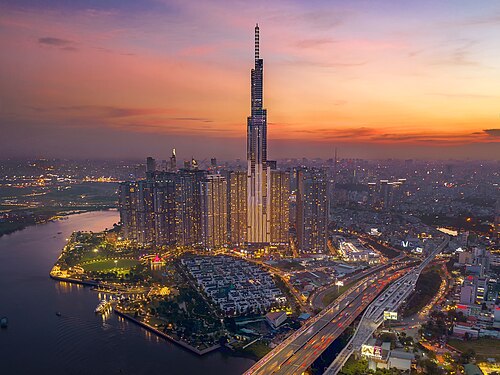
Ho Chi Minh City, formerly known as Saigon, is the largest city in Vietnam and a vibrant economic hub of the country. Located in the southern part of Vietnam, it serves as a crucial center for commerce, finance, and culture. With a population exceeding 9 million people, the city is characterized by its bustling streets, towering skyscrapers, and a mix of modern and historical architecture. The climate is tropical, featuring a distinct wet and dry season, which influences the lifestyle and activities of its inhabitants. The city has a rich history, emerging as an important trade port in the 17th century and playing a significant role during the Vietnam War, which is reflected in its many historical sites, such as the War Remnants Museum and the Cu Chi Tunnels.
Ho Chi Minh City is known for its diverse culinary scene, incorporating traditional Vietnamese dishes and international flavors due to its cosmopolitan nature. Popular local dishes include pho, banh mi, and fresh spring rolls, often enjoyed in bustling street markets or trendy cafes. In addition to its culinary offerings, the city is home to numerous attractions that highlight its cultural heritage, including the Notre-Dame Cathedral Basilica, the Saigon Central Post Office, and the Ben Thanh Market. The city's vibrant nightlife and shopping districts, such as Bui Vien Street and Dong Khoi, attract both locals and tourists alike. As Vietnam's economic powerhouse, Ho Chi Minh City has undergone rapid development, with significant foreign investment leading to the construction of modern infrastructure, shopping malls, and real estate projects, further solidifying its status as a key player in Southeast Asia.
Facts about Ho Chi Minh City
- Ho Chi Minh City, formerly known as Saigon, is the largest city in Vietnam, both in terms of population and area.
- The city is home to the iconic Ben Thanh Market, a bustling hub for locals and tourists alike, known for its wide array of Vietnamese handicrafts, street food, and local products.
- Ho Chi Minh City is known for its distinctive architecture, blending French colonial buildings such as the Saigon Notre-Dame Basilica and the Saigon Central Post Office with modern skyscrapers like the Bitexco Financial Tower.
- The Cu Chi Tunnels, located near Ho Chi Minh City, are a vast network of underground tunnels used during the Vietnam War, showcasing the ingenuity and resilience of the Viet Cong forces.
- The city hosts the annual Tet Festival, the Vietnamese Lunar New Year celebration, which features vibrant parades, traditional performances, and cultural activities, attracting both locals and tourists.
- Ho Chi Minh City has a thriving food scene, renowned for its street food, particularly dishes like Pho, Banh Mi, and various fresh spring rolls, contributing greatly to the country's culinary reputation.
- The War Remnants Museum in Ho Chi Minh City offers a powerful insight into the Vietnam War, featuring photographs, military artifacts, and exhibits that educate visitors about its impact on the nation.
- It serves as Vietnam's economic powerhouse, contributing a significant portion of the country's GDP and being a major center for finance, commerce, and technology.
- The city is also known for its vibrant nightlife, with a plethora of bars, clubs, and live music venues, especially concentrated in areas like District 1 and Bui Vien Street.
- Ho Chi Minh City has a diverse population, with a mix of ethnic groups including Vietnamese, Chinese, and others, contributing to its rich cultural tapestry.