Hōfu, Japan
- 116,925 people
- 11 places to visit
- 34.0517, 131.5627
Places to Visit (11)
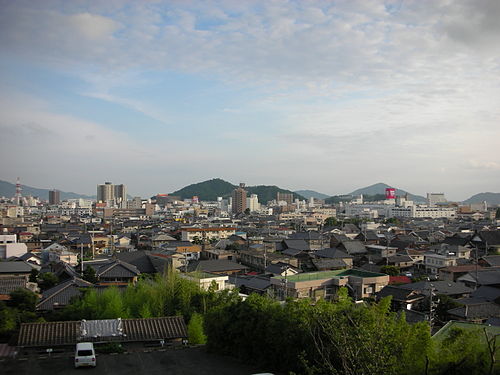
Hōfu is a city located in Yamaguchi Prefecture on the western coast of Honshu, Japan. It was officially established as a city in 1954 but has a rich historical background that dates back to ancient Japan. The area of Hōfu has archaeological significance, marked by the presence of kofun, or burial mounds, which indicate its role during the Kofun period (approximately 300 to 600 AD). The city's strategic location along the Seto Inland Sea has made it an important center for trade and transportation throughout its history. Presently, it is recognized as a hub for agriculture and commerce, while also being known for its beautiful landscapes and historical sites.
One of Hōfu's notable features is the Hōfu Tenman-gū, a Shinto shrine dedicated to the deity of learning, Sugawara no Michizane. The shrine draws visitors, especially students seeking success in their studies. The city is also famous for its connection to various traditional crafts, including the production of high-quality textiles and a local specialty called "Hōfu choko," a type of ceramic ware. Moreover, Hōfu boasts a wide range of cultural activities and events, including traditional festivals that showcase the area’s rich heritage. The city has made efforts to promote tourism, capitalizing on its natural beauty and historical significance, and it continues to evolve as a vibrant community while maintaining its cultural roots.
Regular transportation services, including rail and highways, connect Hōfu to larger urban centers, enhancing its accessibility. The city's educational institutions contribute to its demographic diversity, attracting students from various regions. Additionally, Hōfu has a thriving economy bolstered by agriculture, manufacturing, and service industries, positioning it as an integral part of Yamaguchi Prefecture's growth. As such, Hōfu exemplifies the blend of tradition and modernity, serving both as a reminder of Japan’s past and a participant in its present and future development.
Facts about Hōfu
- Hōfu is known as the 'City of the Star Festival' due to its annual Tanabata Festival, which attracts many visitors and features stunning decorations and events.
- The city is home to the Hōfu Sanzan, a group of three mountains that are considered sacred and play a significant role in local cultural practices and pilgrimages.
- Hōfu is famous for its unique traditional craft of Hōfu pottery, which has a history dating back over 400 years and is recognized for its distinctive glaze and designs.
- The city is located along the Seto Inland Sea, providing it with scenic coastal views and opportunities for fishing and maritime activities.
- Hōfu is noted for the Hōfu Shrine, established over 1,300 years ago, which is dedicated to the deity Hachiman and attracts many worshippers each year.
- The area has historical significance as a shipping port during the Edo Period, contributing to its development as a center of commerce.
- Hōfu is renowned for its delicious Hōfu beef, a specific breed of wagyu that is prized for its tenderness and rich flavor, making it a culinary highlight of the region.
- The city has a unique blend of traditional and modern architecture, showcasing structures that date back to the Meiji and Taisho eras alongside contemporary designs.
- Hōfu features the picturesque Moko Gakuen park, famous for its seasonal cherry blossoms, making it a popular spot for hanami (flower viewing) parties.
- Hōfu has a close connection to the sakan (fish) culture, producing a variety of seafood dishes that reflect its coastal heritage, including fresh fish caught from nearby waters.