Holguín, Cuba
- 319,102 people
- 5 places to visit
- 20.8795, -76.2595
Places to Visit (5)
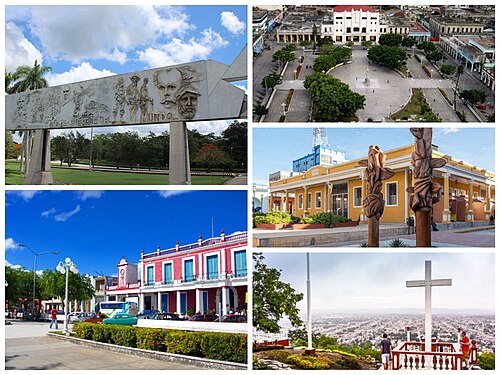
Holguín is a vibrant city located in the eastern part of Cuba and serves as the capital of the Holguín province. Founded in 1545, it is one of the oldest cities in the country, known for its rich history and cultural heritage. The city is named after the Spanish nobleman García Holguín, and it played a significant role in the early colonial period. Holguín is often regarded as a center of music and arts in Cuba, boasting several cultural institutions, including theaters and museums. The city is renowned for its picturesque landscapes, with numerous parks and plazas, making it an attractive destination for both locals and tourists. Among its notable sites is the Plaza de la Revolución, a central square that hosts various events and celebrations, reflecting the city's historical importance.
The economy of Holguín is diverse, with agriculture, tourism, and mining being the primary sectors. Agricultural products such as coffee, tobacco, and sugarcane are cultivated in the surrounding areas, contributing to the province's economy. Holguín's proximity to beautiful beaches, such as Guardalavaca, attracts many tourists seeking sun and relaxation. This coastal area is famous for its clear waters and coral reefs, ideal for snorkeling and diving. Additionally, the city has developed infrastructure to support tourism, including hotels and recreational facilities, enhancing its appeal. Holguín is also connected to the rest of Cuba by a network of roads and public transportation, facilitating travel and commerce.
Culturally, Holguín is celebrated for its festivals and events, such as the Holguín Carnival, which showcases traditional music, dance, and vibrant parades, reflecting the city's rich Afro-Cuban heritage. The city is also home to numerous schools and institutions of higher education, fostering a strong community of scholars and artists. Holguín’s residents take pride in their local traditions and culture, which contribute to the unique identity of the city. Overall, Holguín embodies a blend of historical significance, natural beauty, and cultural vibrancy, making it a noteworthy location within Cuba. The enthusiasm of its people and the city's beautiful surroundings continue to attract visitors and nurture local pride.
Facts about Holguín
- Holguín is known as the 'City of Parks' due to its numerous well-maintained parks, making it a unique green space oasis in Cuba.
- The city is historically significant for being the birthplace of the Cuban national hero, General Julio Grave de Peralta, who played a crucial role in the country's struggle for independence.
- Holguín is home to Loma de la Cruz, a hill with 458 steps leading to a cross at the top, offering panoramic views of the city and surrounding area, making it a popular tourist attraction.
- The annual Holguín Carnival is one of the largest and most vibrant celebrations in Cuba, attracting thousands of locals and tourists with its parades, music, and cultural festivities.
- Holguín has a rich cultural scene, hosting the annual 'Fiesta de la Cultura' which showcases local art, music, and dance, celebrating the region's diverse heritage.
- The city is strategically located near some of the best beaches in Cuba, such as Playa Guardalavaca, which draws significant tourism, distinguishing it from other inland cities.
- Holguín was the site of important battles during the Cuban War of Independence, contributing to its historical significance in the broader national narrative.
- The city's central square, Parque Calixto García, is named after a prominent revolutionary figure and features a statue of him, highlighting its revolutionary history.
- Holguín is also recognized for its agricultural contributions, particularly in the production of sugar and coffee, crucial to Cuba's economy.
- The city is known for its unique blend of colonial architecture and modern structures, offering a visual journey through its history and development.