Holyoke MA, United States
- 40,684 people
- 19 places to visit
- 42.2043, -72.6162
Places to Visit (19)
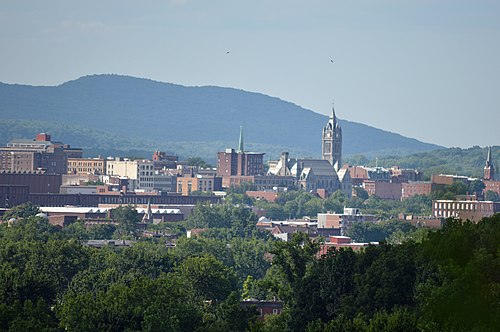
Holyoke, Massachusetts, located in Hampden County, is a city with rich historical significance and a vibrant cultural scene. Founded in 1850, Holyoke was primarily developed as a mill town, leveraging the power of the Connecticut River to drive its industries. In the late 19th and early 20th centuries, the city became a hub for paper manufacturing, earning the nickname “Paper City.” Holyoke was home to numerous mills and factories, which attracted a diverse population of immigrants seeking work, particularly from Ireland, Poland, and Italy. The city's strategic location along the Connecticut River facilitated trade and transportation, further enhancing its economic growth during this period.
As of the 2020 census, Holyoke had a population of approximately 39,000 residents, making it one of the smaller cities in Massachusetts. The community is known for its unique blend of cultural festivals, with events that celebrate the city's history and diversity, such as the Holyoke St. Patrick's Day Parade, which is among the largest in the nation. Holyoke is also recognized for its impressive Victorian architecture, with many historic buildings and homes that reflect its industrial past. In recent years, the city has sought to revitalize its downtown area and promote local businesses, aiming to attract new residents and visitors. Moreover, Holyoke is developing its educational and cultural institutions, including the Holyoke Community College, which provides higher educational opportunities close to home, and the Holyoke Public Library, which engages the community through various programs and resources. With a rich history and ongoing revitalization efforts, Holyoke stands as a testament to the resilience and evolution of America’s industrial cities.
Facts about Holyoke
- Holyoke, Massachusetts, is known for being the first city in the United States to have a municipal electric utility, established in 1888.
- The city was a pioneer in the paper industry, and by the early 20th century, it was known as 'The Paper City' due to its significant production of paper and cardboard.
- Holyoke is home to the Holyoke Canal System, which was built to aid in the transportation of goods, particularly paper, and features extensive pedestrian pathways and recreational opportunities along its banks.
- The Holyoke St. Patrick's Day Parade, founded in 1952, is one of the largest St. Patrick's Day parades in the United States, attracting thousands of attendees each year.
- Holyoke features an extensive system of 19th-century water-powered mills, which are considered a key aspect of the city's historical industrial architecture.
- The city has a vibrant community and cultural scene, including the Holyoke Cultural Alliance which supports local arts and cultural events.
- Holyoke is home to Mount Tom, offering panoramic views of the Pioneer Valley, and is a popular destination for hiking and outdoor activities.
- The city is recognized as a significant historical area for its contributions to the Hispanic community, particularly through its annual Hispanic Heritage Month celebrations.
- Holyoke's history includes being a major destination for Irish immigrants in the late 19th century, contributing to its rich cultural tapestry today.
- The city hosts the annual Holyoke Children's Science Museum, which emphasizes interactive learning, making it a unique educational resource in the region.