Homs, Syria
- 775,404 people
- 8 places to visit
- 34.7325, 36.7135
Places to Visit (8)
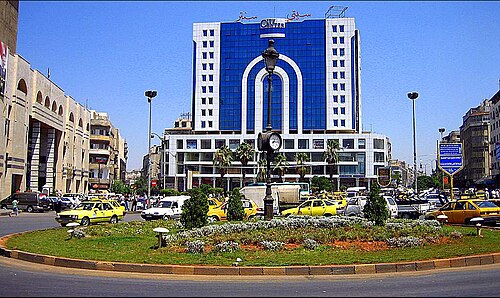
Homs, one of Syria's oldest cities, is located in the western part of the country, approximately 162 kilometers north of the capital, Damascus. It lies along the Orontes River and serves as a vital crossroads for trade and commerce in the region. Historically significant, Homs has been inhabited for thousands of years and boasts numerous archaeological sites, including ancient Roman ruins, Byzantine churches, and Islamic mosques. The city's rich cultural tapestry reflects influences from various civilizations, including the Phoenicians, Romans, and Ottomans, contributing to its diverse architectural styles and heritage.
In recent history, Homs gained international attention due to the Syrian civil war, which began in 2011. The city became a major center of opposition against the Syrian government, leading to significant violence and widespread destruction. Areas like Baba Amr were intensely bombarded, and many civilians were displaced during the conflict. By 2014, the Syrian government, with the support of Russian airstrikes, regained control of the city, but the aftermath left Homs in ruins; its infrastructure was severely damaged, and many residents faced homelessness and impoverishment. Despite the devastation, Homs has shown resilience, with efforts underway to rebuild and restore both the city and its communities.
As of 2023, Homs is in a phase of reconstruction and rehabilitation, with the Syrian government working to restore essential services and attract investment. However, the challenges remain substantial, including lingering security concerns and the need for humanitarian assistance. The demographic landscape has changed significantly, with many of the original inhabitants having fled due to the violence. Today, the city continues to embody a blend of its historical significance and the challenges posed by modern conflict, reflecting the broader narrative of Syria's struggle for stability and recovery.
Facts about Homs
- Homs is known as the 'City of Bridges' due to its many historical bridges spanning the Orontes River.
- The city played a significant role in the history of the Roman Empire, with the ancient city of Emesa located here, known for its temple to the sun god El-Gabal.
- Homs is home to the Khalid ibn al-Walid Mosque, which is built on the site of a church that dates back to the early Christian era.
- The city has a diverse population, with a mix of Sunni, Alawite, Christian, and other communities coexisting historically.
- During the Syrian Civil War, Homs was one of the major battlegrounds and faced significant destruction, leading to it being referred to as the 'Homs of the Revolution'.
- The ancient street market, souk, in Homs is one of the largest in Syria, showcasing traditional crafts and local food.
- Homs features the historical Crusader Castle of the Citadel of Homs, which dates back to the 12th century.
- The city has produced a number of notable figures in Syrian literature and politics, distinguishing it culturally from other areas.
- Homs is known for its production of traditional foods, including the famous 'Homsiyyeh' dish, unique to the region.
- The Homs Water Wheel, an ancient irrigation system, represents the city's historical importance in agriculture, particularly in the production of cotton.