Honiara, Solomon Islands
- 56,298 people
- 12 places to visit
- -9.4307, 159.9527
Places to Visit (12)
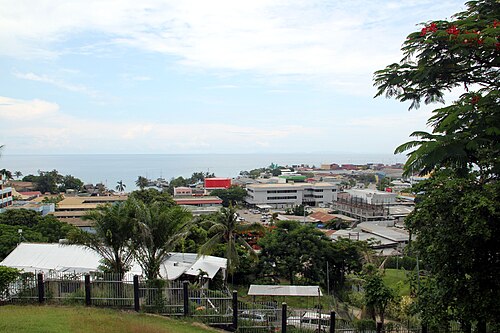
Honiara is the capital city and largest urban center of the Solomon Islands, situated on the island of Guadalcanal. The city was established as a military base during World War II and has since evolved into the political, economic, and cultural heartbeat of the nation. Located on the north coast of Guadalcanal, Honiara is positioned along the picturesque Iron Bottom Sound, which is historically significant due to the naval battles that took place during the Pacific War. The city's population, estimated at around 84,000 people, represents a diverse tapestry of Solomon Islanders, many of whom are of Melanesian descent, along with inhabitants from various ethnic backgrounds.
Honiara serves as the main administrative and commercial hub of the Solomon Islands, housing key government institutions, foreign embassies, and various businesses. The economy of Honiara is heavily reliant on agriculture, fishing, and tourism, as the surrounding islands offer rich marine life and beautiful landscapes. Local markets, such as the Honiara Central Market, display a vibrant mix of handicrafts, fresh produce, and traditional foods, attracting both locals and visitors alike. The city is also home to several educational institutions, including the Solomon Islands National University, which aims to address the educational needs of the local population. Honiara is not without its challenges, including issues related to urbanization, infrastructure, and the effects of climate change, which impact the low-lying coastal areas. Despite these hurdles, Honiara remains a crucial gateway for connecting the Solomon Islands to the global community and showcases the resilient spirit of its people amidst ongoing development and cultural preservation.
Facts about Honiara
- Honiara is the capital city of the Solomon Islands and the largest city in the country, serving as its political and administrative center.
- The city was established in 1945 during World War II and was developed on the site of the former wartime base, making it a place of significant historical importance.
- Honiara is home to the National Museum of the Solomon Islands, which showcases the cultural heritage and history of the islands, including artifacts from the indigenous population.
- The city features the only international airport in the Solomon Islands, Honiara International Airport (also known as Henderson Field), which plays a vital role in connecting the islands to the outside world.
- Honiara is known for its bustling market, the Honiara Central Market, which is the largest in the country and a popular place for locals to buy fresh produce and crafts.
- The city was the site of the infamous Battle of Guadalcanal during WWII, and today, many historical sites and memorials can be found in and around Honiara commemorating this event.
- Honiara is situated on the northern coast of Guadalcanal, offering picturesque views of the surrounding waters and beaches, which distinguishes it from other towns in the islands.
- The city hosts the annual Honiara Christmas Festival, which showcases local traditions, music, and crafts, reflecting the unique culture of the Solomon Islands.
- Honiara has various diplomatic missions, including embassies and high commissions from countries such as Australia, New Zealand, and the United States, indicating its role in international relations.
- The city is the hub for economic activities in the Solomon Islands, including trade, tourism, and small-scale industries, making it distinct from more rural and less populated areas of the country.