Honjō, Japan
- 77,900 people
- 15 places to visit
- 36.2435, 139.1905
Places to Visit (15)
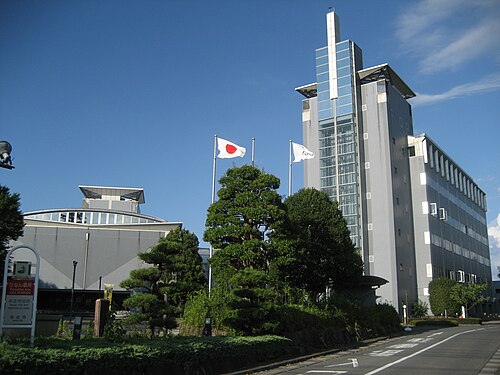
Honjō is a city located in Saitama Prefecture, Japan, known for its rich history, cultural heritage, and scenic landscapes. Established as a city in 2005 through the merger of the towns of Honjō and several surrounding districts, it sits on the banks of the Arakawa River. The city is strategically located approximately 90 kilometers northwest of Tokyo, making it accessible yet distinct from the hustle and bustle of the capital. With a population of around 60,000 residents, Honjō presents a blend of urban and rural lifestyles, featuring a mix of traditional Japanese culture and modern conveniences.
The city is home to various historical sites and natural attractions. Among its notable landmarks is the Honjō Shrine, an important Shinto shrine that attracts visitors during festivals and rituals. The region's agricultural roots are still evident in its farming traditions, particularly in rice production, which is celebrated during the local harvest festivals. Additionally, Honjō hosts several parks and recreational areas, allowing residents and tourists alike to enjoy outdoor activities amidst beautiful cherry blossoms in spring and vibrant autumn foliage. Special events, such as local markets and cultural exhibitions, demonstrate the community's commitment to preserving and promoting its heritage while fostering a sense of local identity.
Honjō also boasts a strong sense of community, with various educational and cultural institutions contributing to the city's development. The presence of local schools, libraries, and community centers encourages lifelong learning and engagement in social activities. Moreover, the city's economy is supported by small to medium-sized enterprises, contributing to its self-sufficiency and growth. Overall, with its harmonious blend of tradition and modernity, Honjō serves as an appealing destination for those seeking to experience the charm of rural Japan while enjoying the amenities of a developed urban center.
Facts about Honjō
- Honjō is known for its historic significance as a center of the silk industry during the Edo period, contributing substantially to Japan's economy.
- The city is home to the historic Honjō Castle ruins, which offer visitors a glimpse into Japan's feudal past and was originally built in the early 1600s.
- Honjō hosts the annual Honjō Cherry Blossom Festival, attracting visitors to its beautiful cherry blossoms along the riverbanks, celebrated each spring.
- The city is notable for its production of high-quality green tea, particularly the Honjō tea variety, which is sought after throughout Japan.
- Honjō has a rich cultural tradition reflected in its many festivals, including the Honjō Gion Matsuri, which features traditional floats and local performances.
- The city is part of the greater Saitama Prefecture, but it distinguishes itself with a lower population density compared to the more urbanized areas in Saitama.
- Honjō has a unique educational institution, the Honjō City Museum, which showcases the local history and art of the region, fostering community education.
- The city's traditional crafts include Honjō Washi, a type of handmade paper recognized for its quality and versatility, distinct from mass-produced paper in other regions.
- Honjō is strategically located near the Arakawa River, which has historically been a critical waterway for transportation and trade in the region.
- The city emphasizes environmental sustainability and has implemented various green initiatives, distinguishing itself as a community focused on eco-friendliness.