Hoogeveen, Netherlands
- 38,754 people
- 13 places to visit
- 52.7286, 6.4901
Places to Visit (13)
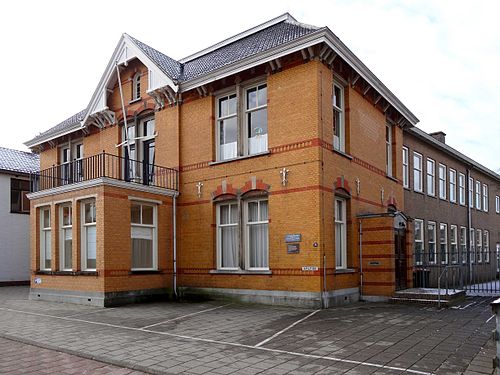
Hoogeveen is a city and municipality located in the northeastern part of the Netherlands, specifically in the province of Drenthe. The city is situated approximately 25 kilometers southwest of the larger city of Groningen and around 45 kilometers north of Zwolle. Established in the late 16th century, Hoogeveen was initially a village that grew rapidly due to its strategic location along trade routes and its peat extraction industry. The exploitation of peat, which was used as a fuel source, played a crucial role in the area's economic development. Over the years, Hoogeveen transitioned from a rural community into a bustling urban center while maintaining its historical charm.
The municipality encompasses a population of around 36,000 residents, making it one of the larger towns in Drenthe. Hoogeveen is well-connected through various modes of transportation, including railways and roads, linking it with nearby cities and regions. The local economy is diverse, featuring sectors such as agriculture, commerce, and services. Notably, Hoogeveen is known for its production of cheese, as well as its vibrant market activities, particularly the weekly market that attracts visitors from surrounding areas. The city also boasts several cultural institutions, including museums and theaters, which contribute to its lively cultural scene.
In addition to its economic and cultural significance, Hoogeveen is recognized for its parks and green spaces, which offer recreational opportunities and enhance the quality of life for its residents. The city is surrounded by beautiful natural landscapes, including heathlands and forests, inviting outdoor activities such as hiking and cycling. Hoogeveen also places a strong emphasis on community engagement, with numerous events and festivals throughout the year that reflect its rich history and local traditions. Overall, Hoogeveen combines a blend of historical heritage and modern conveniences, making it an attractive place to live, work, and visit in the Netherlands.
Facts about Hoogeveen
- Hoogeveen is known for its unique history in peat production, which significantly contributed to the area's development in the 19th century.
- Unlike many Dutch towns, Hoogeveen has a prominent cultural theater called 'The Voorhuis', which serves as a hub for performing arts and community events.
- The city is home to the 'Hoogeveense Molen', a historic windmill that is one of the few remaining working mills in the region, showcasing traditional Dutch craftsmanship.
- Hoogeveen has a rich sports culture and is particularly recognized for its dedication to ice hockey, hosting one of the notable clubs in the Netherlands.
- The annual 'Hoogeveen Kermis', a traditional fair held in the summer, features unique local rides, games, and stalls, distinguishing it from fairs in larger cities.
- One of Hoogeveen's notable achievements is the establishment of the 'PWA (Peat Workers Association)', which played a crucial role in improving labor conditions in the 19th century.
- The city has a significant connection to the 'Drenthe Route', a famous cycling path that attracts bike tourists with scenic views and historic sites.
- Hoogeveen hosts the 'Sinterklaas Parade', celebrated with much enthusiasm, which attracts families from the surrounding regions, showcasing local customs.
- Unlike many urban areas in the country, Hoogeveen has maintained a good balance of urban and rural living, surrounded by vast landscapes suitable for agriculture.
- Hoogeveen has a unique collection of modern and historical architecture, including its 'Town Hall', which reflects the city’s efforts in preserving its historical heritage.