Hospet, India
- 197,846 people
- 3 places to visit
- 15.2689, 76.3909
Places to Visit (3)
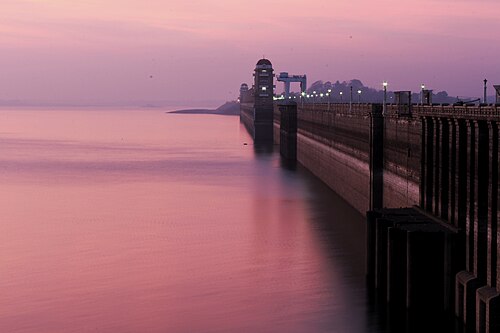
Hospet, a bustling city located in the Ballari district of Karnataka, India, is known for its rich history and cultural heritage. Established in the 16th century, the name "Hospet" is derived from "Hosa Pete," meaning "new market" in Kannada. The city gained prominence during the rule of the Vijayanagara Empire, particularly under the reign of Emperor Krishnadevaraya, who transformed the region into a flourishing center of trade, culture, and architecture. Today, Hospet serves as a key gateway to the UNESCO World Heritage site of Hampi, the once-glorious capital of the Vijayanagara Empire. The remnants of ancient temples, palaces, and markets within Hampi’s stone landscape continue to attract tourists from around the globe.
Hospet's contemporary landscape is a blend of tradition and modernity, featuring vibrant local markets, educational institutions, and growing industries. As a hub for commerce, the city has a diverse economy, with agriculture, mining, and tourism playing significant roles. The surrounding area is rich in mineral resources, particularly iron ore, which has led to growth in mining activities. In addition to economic development, the city is known for its warm hospitality and close-knit community, where festivals such as Vijaya Dashami and Ugadi are celebrated with fervor, reflecting the region's cultural vibrancy. With its strategic location, Hospet also serves as a critical transportation link, connecting various parts of Karnataka and neighboring states through a network of roads and railways.
In recent years, local initiatives to promote sustainable tourism and preserve the heritage of Hampi have gained momentum, emphasizing the importance of balancing development with conservation. Efforts to improve infrastructure, such as better roads and accommodation facilities, aim to enhance the experience of visitors while ensuring that the historical significance of the area remains intact. As the city continues to grow and evolve, it retains its essence as a crucial link to the past and a vibrant testament to Karnataka’s diverse culture and history.
Facts about Hospet
- Hospet is home to the iconic Vijaya Vittala Temple, known for its remarkable stone chariot and musical pillar, which are masterpieces of Hoysala architecture.
- The city serves as a gateway to Hampi, a UNESCO World Heritage Site that was once the capital of the Vijayanagara Empire and is famous for its ruins and cultural heritage.
- Hospet's proximity to the Tungabhadra River has made it an important agricultural hub, particularly known for its banana and grape production.
- The city was founded in the 16th century by the Vijayanagara rulers and originally named 'Hosapete', meaning 'new village'.
- Hospet hosts the annual Hampi Utsav, a cultural festival that showcases the dance, music, and traditions of Karnataka, attracting tourists and artists from all over India.
- The city has a unique blend of historical significance and modern development, with a thriving local economy based on tourism, agriculture, and mining.
- Hospet is renowned for its rich mineral resources, especially iron ore, which has sparked significant economic development in the region.
- The nearby Anegundi village, accessible from Hospet, is believed to be one of the oldest inhabited places in India and holds archaeological significance.
- Hospet's local cuisine features traditional Karnataka dishes, including 'napittu' and 'huggi', which are staples that reflect the culinary heritage of the region.
- The city is well-connected by road and rail, making it an essential transit point for tourists visiting the historic sites of Hampi.