Houndé, Burkina Faso
- 87,151 people
- 2 places to visit
- 11.4894, -3.5231
Places to Visit (2)
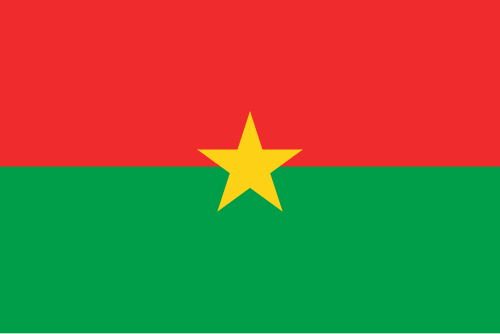
Houndé is a town located in the southwestern region of Burkina Faso, specifically within the Comoé Province. As the capital of the Houndé Department, it plays a significant administrative and economic role in the area. The town is situated approximately 400 kilometers from Ouagadougou, the capital city of Burkina Faso, making it relatively accessible for trade and travel. With a population of around 40,000 residents, Houndé serves as a vital hub for the surrounding rural communities, mainly engaged in agriculture, which is the backbone of the local economy. The region around Houndé is known for its production of staple crops such as millet and sorghum, along with cash crops like cotton, which is significant to the national economy.
Houndé is notable for its mining activities, particularly in gold extraction, which has transformed the economic landscape of the town. The presence of gold mines attracts investment and creates job opportunities for local inhabitants. However, this rapid economic change has also led to several challenges, including environmental concerns and social changes as the population adjusts to the influx of workers and new economic dynamics. The town also reflects the rich cultural heritage of the Mossi people, one of the predominant ethnic groups in Burkina Faso. Traditional customs, festivals, and local markets highlight the community’s vibrant culture. Moreover, Houndé's location makes it a gateway to explore the picturesque landscapes and rural settings characteristic of southwestern Burkina Faso, attracting visitors interested in experiencing its natural beauty and cultural richness. Overall, Houndé represents a blend of tradition and modernity, illustrating the complexities faced by many developing towns in Africa today.
Facts about Houndé
- Houndé is known for its significant gold mining activities, being one of the key mining towns in Burkina Faso.
- The town hosts the 'Fête des Eaux' festival, which celebrates water conservation and cultural heritage in the region.
- Houndé has a rich agricultural history, particularly noted for the cultivation of cotton, which is a major cash crop in Burkina Faso.
- The Houndé region is characterized by its unique cultural diversity, with various ethnic groups contributing to the local traditions and languages.
- Houndé is home to the Temple of the Water, an important cultural landmark that symbolizes the connection between the community and their environment.
- The town has seen rapid urban development in recent years due to its mining sector, distinguishing it from more traditional agricultural towns in the country.
- Houndé has been the site of significant archeological findings, uncovering evidence of ancient civilizations that adds to its historical significance.
- The town's market, which operates weekly, is one of the largest in the region and attracts traders from surrounding areas, distinguishing its economic activity.
- Houndé is strategically located near the Cascades region, making it a gateway for tourists interested in exploring natural attractions.
- The local football team in Houndé plays a key role in the community's social fabric, fostering local pride and unity through sports.