Houston TX, United States
- 2,304,580 people
- 16 places to visit
- 29.7604, -95.3698
Places to Visit (16)
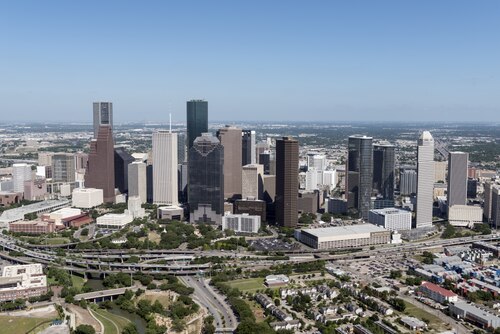
Houston, Texas, is the largest city in the state and the fourth most populous city in the United States, boasting a diverse population of over 2.3 million residents. Founded in 1836 and named after General Sam Houston, who led the Texas Revolution, the city has evolved into a thriving metropolis. Houston is notable for its strong economy, which is anchored in the energy, aerospace, and healthcare sectors. The city is often referred to as the "Energy Capital of the World" due to its significant presence of oil and natural gas industries, with major companies such as ExxonMobil and ConocoPhillips headquartered there. The Texas Medical Center, one of the largest medical complexes in the world, further highlights the city's contributions to healthcare and biomedical research.
Culturally, Houston is a melting pot, with a rich heritage reflected in its food, festivals, and arts. The city is known for its vibrant culinary scene, offering a wide range of cuisines influenced by the diverse communities residing there, including Tex-Mex, Vietnamese, and African American southern dishes. Houston is home to numerous cultural institutions such as the Museum District, which features over a dozen museums, including the Houston Museum of Natural Science and the Museum of Fine Arts. The city's performing arts scene is vibrant, with the Houston Symphony, Houston Ballet, and the Alley Theatre contributing to a prolific arts landscape. Additionally, Houston is famous for hosting the Houston Livestock Show and Rodeo, one of the largest rodeos in the world, attracting millions of visitors each year. With its combination of economic opportunity and cultural richness, Houston stands out as a major urban center in the United States.
Facts about Houston
- Houston is home to the Texas Medical Center, the largest medical complex in the world, which includes renowned institutions like MD Anderson Cancer Center and Texas Children's Hospital.
- The city has the third-largest theater district in the United States, featuring a wide range of performing arts including opera, ballet, and symphony orchestras.
- Houston was founded in 1836, and it was named after Sam Houston, a key figure in Texas history and the first president of the Republic of Texas.
- NASA's Johnson Space Center is located in Houston, where some of the most significant space missions have been managed, including the Apollo moon-landing missions.
- Houston is recognized for its diverse and vibrant food scene, having been declared a UNESCO City of Gastronomy in 2017, showcasing its array of international cuisines.
- The Houston Livestock Show and Rodeo is the largest livestock show and rodeo in the world, attracting over 2 million visitors each year.
- Houston's climate is characterized as humid subtropical, which is unique for a major American city, resulting in hot summers and mild winters.
- The city is a leading global hub for the energy industry, particularly oil and natural gas, with many of the world's largest energy firms headquartered there.
- Houston ranks first in the United States for the number of Fortune 500 company headquarters, highlighting its economic significance and business-friendly environment.
- The city has a rich cultural diversity, with over 145 languages spoken, making it one of the most ethnically diverse cities in the United States.