Hoyerswerda, Germany
- 43,681 people
- 11 places to visit
- 51.4389, 14.2536
Places to Visit (11)
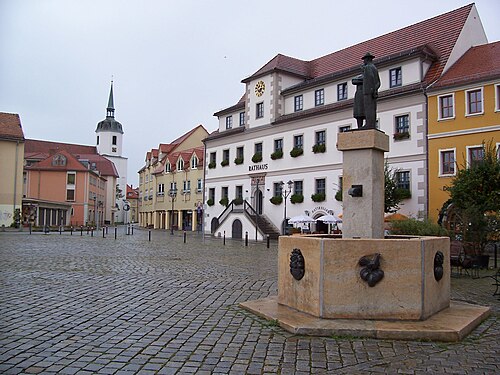
Hoyerswerda is a town situated in the eastern part of Germany, in the state of Saxony. As of the latest data, it has a population of approximately 30,000 residents. The town lies in the district of Bautzen and is located about 40 kilometers northeast of Dresden, the capital of Saxony. Originally founded in the late 13th century, Hoyerswerda has a rich history that includes its role in the medieval era as a center for trade and agriculture. The name itself is believed to have derived from the Slavic term meaning "the site of a hill," reflecting the geographic characteristics of the area.
In the 20th century, the town's identity shifted significantly due to industrialization, particularly with the rise of lignite mining in the 1950s and 1960s. Hoyerswerda became a prominent center for coal production, which brought a substantial influx of workers and economic growth. However, with the decline of the coal industry post-reunification in 1990, the town faced significant challenges, including economic downturn and population decline as residents moved in search of better opportunities. Today, efforts to revitalize the area have included urban development initiatives and attracting new industries. Hoyerswerda is also known for its diverse culture, featuring historical sites such as the Hoyerswerda Castle, the Church of St. Nicholas, and a range of community events that celebrate its unique heritage, making it a dynamic town that continues to evolve in the modern era.
Facts about Hoyerswerda
- Hoyerswerda was founded in the 13th century and has a long history that is closely linked to coal mining and energy production in the region.
- The city's architecture features a mix of medieval buildings and modernist housing estates, reflecting its transformation during the GDR (East Germany) period.
- Hoyerswerda is known for its unique 'Slovakian Quarter', which highlights the city's historical connection to Slovak immigrants and culture.
- The town was once a significant center of lignite coal mining, contributing to the energy supply in East Germany until the industry declined after reunification.
- Hoyerswerda hosts the 'Hoyerswerda Castle', which dates back to the 16th century and is a prominent landmark in the city.
- Every year, Hoyerswerda celebrates the 'Festival of Cultures', showcasing the diverse customs and traditions of its residents, including significant Slovak influences.
- The city is home to a unique collection of preserved industrial heritage sites, offering insights into the coal mining and energy production that characterized the region.
- Hoyerswerda has a significant number of modernist buildings from the socialist era, making it a point of interest for architectural enthusiasts.
- The local flora is marked by several nature conservation areas, including the nearby 'Bildungslandschaft Hoyerswerda', which protects unique ecosystems.
- Hoyerswerda was the first city in East Germany to implement a comprehensive urban redevelopment plan after reunification, focusing on revitalization and modernization.