Huaibei, China
- 1,113,321 people
- 9 places to visit
- 33.9548, 116.7983
Places to Visit (9)
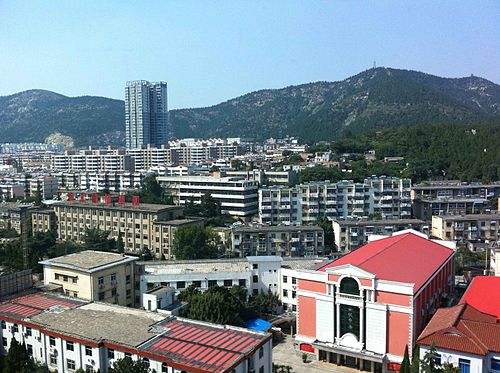
Huaibei is a city located in the northeastern part of Anhui Province in China. It is situated along the Huai River and is part of the larger Huaihai Economic Zone, which is vital for the region's economic development. The city has a population of approximately 1.4 million people, making it one of the notable urban centers in Anhui. Established as a municipality in 1983, Huaibei was originally a coal mining base, and this industry played a significant role in its economic growth. Over the years, the city has transitioned from its coal-centric economy to a more diversified industrial base, incorporating sectors such as manufacturing, textiles, and non-coal mineral resources.
Huaibei is characterized by its rich cultural history and numerous historical sites that reflect its development over centuries. The city's landscape is dotted with parks, lakes, and historical monuments, offering both residents and visitors recreational opportunities. Significant tourist attractions include the Xizhang Temple, which dates back to the Tang Dynasty, and the scenic Huai River. The region experiences a humid continental climate, with distinct seasons that include a hot summer and cold winter. Public transportation in Huaibei is well-developed, including rail links that connect it to major cities like Hefei and Nanjing, enhancing access and promoting trade. As a city in transition, Huaibei continues to see investment in infrastructure and urban development, aiming to elevate its profile within the broader economic landscape of China.
Facts about Huaibei
- Huaibei was established as a prefecture-level city in 1994, making it one of the newer cities in China, reflecting rapid urban development.
- The city is renowned for its coal resources, and it plays a vital role in China's coal mining industry, significantly contributing to the country's energy supply.
- Huaibei is home to Huaihe River, an important waterway in central China that has historically served as a transportation route and a source of irrigation.
- The city features the Huaibei Coal Mining Group, one of the largest coal mining enterprises in China, which has been instrumental in the region's economic growth.
- Huaibei hosts the annual Huaihe Culture Festival, celebrating the local culture, history, and cuisine, and attracting visitors from across the province and beyond.
- Historical artifacts from the area indicate that Huaibei has a rich history dating back over 2,000 years, with records of human activity in the region since the Han Dynasty.
- The city is also known for the ancient Huaihe Town, which features traditional architecture and offers a glimpse into the historical lifestyle of the local populace.
- Huaibei has invested in green tech initiatives, distinguishing itself by focusing on sustainable development and modernization amid its industrial background.
- The Huaihai Campaign, one of the decisive battles in the Chinese Civil War, took place nearby, and it is commemorated in local history and memorials.
- The city has a diverse population that includes various ethnic minorities, contributing to its unique cultural tapestry and local customs.