Huambo, Angola
- 595,304 people
- 3 places to visit
- -12.774, 15.7469
Places to Visit (3)
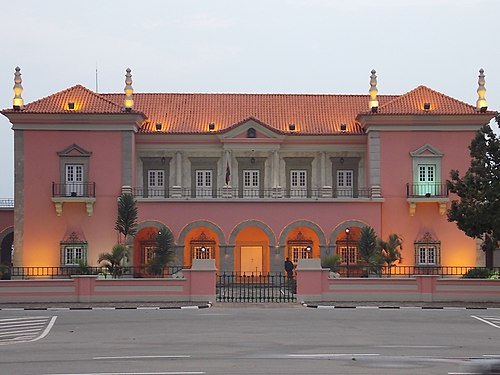
Huambo is a prominent city in Angola, located in the central part of the country. It serves as the capital of Huambo Province and is situated approximately 600 kilometers southeast of Luanda, Angola’s capital. With an elevation of about 1,700 meters (5,577 feet), Huambo is one of the highest cities in Angola, contributing to its temperate climate characterized by cooler temperatures compared to much of the country. The city, originally known as Nova Lisboa during colonial times, was established by the Portuguese in the early 20th century and has since evolved into a significant economic and cultural hub.
The population of Huambo is estimated to be around 200,000, making it one of Angola's larger cities. Its economy is predominantly based on agriculture, with the surrounding highlands known for producing crops such as maize, beans, potatoes, and vegetables. The city is also home to several educational institutions and healthcare facilities, contributing to its role as a regional center for education and health services. Huambo has faced numerous challenges, particularly due to the civil war that engulfed Angola from the 1970s until 2002, which caused significant destruction to both infrastructure and the population. However, since the end of the conflict, efforts have been made to rebuild and develop the city, with improvements in transportation, housing, and public services.
Culturally, Huambo is known for its rich heritage, showcasing a blend of Angolan traditions and colonial influences. The city features several important landmarks, such as the Cathedral of Huambo, which stands as a symbol of the city’s resilience and spiritual significance. Additionally, Huambo hosts various cultural events and festivals that celebrate Angolan music, dance, and arts, reflecting the diversity and vibrancy of its inhabitants. Despite past challenges, Huambo continues to strive toward modernization and development, playing a crucial role in the social and economic landscape of Angola.
Facts about Huambo
- Huambo is one of the largest cities in Angola and is situated in the central highlands, making it one of the most elevated cities in the country.
- The city was known as Nova Lisboa during the colonial period, reflecting its influence from Portuguese settlers.
- Huambo played a significant role during the Angolan Civil War, serving as a strategic base for various factions and resulting in extensive damage and reconstruction efforts post-war.
- The city is famous for its historic train station, which is one of the most prominent landmarks and symbolizes the city's colonial past and transport history.
- Huambo is surrounded by picturesque mountains and is known for its cool climate, which is a contrast to the generally hot conditions found in other parts of Angola.
- The university in Huambo, Universidade José Eduardo dos Santos (UJES), is one of the leading educational institutions in Angola, contributing significantly to higher education in the country.
- Huambo is a hub for agricultural production, especially for crops such as maize and beans, taking advantage of the fertile highland soil.
- A unique event celebrated in Huambo is the Annual Flower Festival (Festa da Flor), showcasing the region's rich biodiversity and cultural pride.
- The city features the Huambo Stadium, which has hosted various national sporting events and symbolizes the city’s commitment to sports development.
- Huambo is home to a renowned market, the Mercado Municipal, known for its vibrant local crafts, produce, and as a center of socio-economic activity.