Huánuco, Peru
- 196,627 people
- 10 places to visit
- -9.9208, -76.2411
Places to Visit (10)
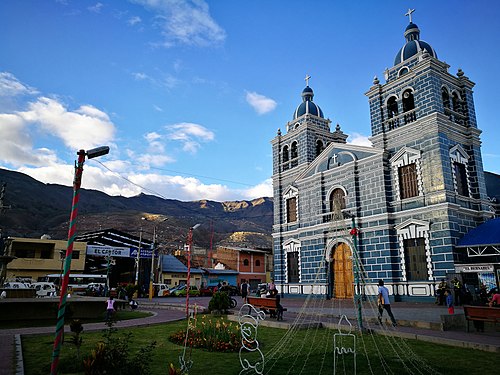
Huánuco is a city located in central Peru, serving as the capital of the Huánuco Region. Nestled in the Andean foothills at an elevation of approximately 1,800 meters (5,900 feet) above sea level, it plays a crucial role in the region's administrative and economic activities. The city has a population of around 150,000 residents, making it a significant urban center in the country. Huánuco's founding dates back to 1539 when Spanish conquistador Gonzalo Pizarro established it as "La Ciudad de Huánuco de los Dices" to promote trade and colonization in the region. The city showcases a rich blend of indigenous and colonial history, which is reflected in its architecture and cultural practices.
The economy of Huánuco primarily revolves around agriculture, with coffee, cocoa, and fruits being the principal crops cultivated in the surrounding fertile valleys. The region's topography allows for diverse agricultural practices, contributing significantly to local and national markets. Additionally, Huánuco is known for its production of artesanal goods, including textiles and handicrafts, which highlight the region's rich cultural heritage. Tourism is also a growing sector, attracting visitors with its historical sites, such as the Huánuco Pampa archaeological site and the nearby town of Tingo María, known for its stunning natural landscapes and biodiversity. The climate in Huánuco is characterized by a temperate atmosphere, with a rainy season typically occurring from November to March, enhancing its agricultural viability.
Huánuco is well-connected to other parts of Peru via road and air, making it an important transit hub for those traveling to the highlands and the Amazon basin. The city's vibrant local traditions, festivals, and gastronomy, featuring dishes like pachamanca and juane, allow visitors to immerse themselves in the rich cultural tapestry of the region. Overall, Huánuco stands as a testament to the historical interplay between indigenous cultures and colonial influences, while continuing to evolve as a vital economic and cultural center in Peru.
Facts about Huánuco
- Huánuco is one of the oldest continuously inhabited regions in Peru, with historical ties dating back to the pre-Columbian era, particularly with the Huánuco Pampa archaeological site.
- The city is known for its unique mix of Andean and Amazonian cultures, serving as a junction between the Sierra and the Selva regions of Peru.
- Huánuco is famous for its traditional celebrations, particularly the 'Fiesta de las Cruces,' where elaborate crosses are decorated and displayed in a colorful parade.
- The Huánuco region is home to the historic monument, Kotosh, which features the famous 'Temple of the Crossed Hands,' dating back to around 1,800 BC.
- Huánuco has a thriving artisanal scene, especially in pottery and textiles, which showcase traditional Peruvian craftsmanship and indigenous patterns.
- The city holds the annual 'Festival de la Primavera,' celebrating the arrival of spring with parades, music, and cultural performances that highlight local traditions.
- Huánuco is the birthplace of several prominent Peruvian figures, including the liberal politician and writer, Manuel González Prada.
- The regional cuisine is distinct, featuring unique dishes like 'Pachamanca,' a traditional Peruvian meal cooked underground with hot stones, often enjoyed during local festivities.
- Huánuco is known for the stunning 'Danza de las Tijeras' or Scissors Dance, a traditional dance that combines acrobatics and music, recognized as a Masterpiece of the Oral and Intangible Heritage of Humanity by UNESCO.
- The city's location at a lower altitude compared to other highland regions makes it a gateway for tourists seeking to explore both the Andes and the nearby Amazon rainforest.