Huauchinango, Mexico
- 56,206 people
- 3 places to visit
- 20.1757, -98.0629
Places to Visit (3)
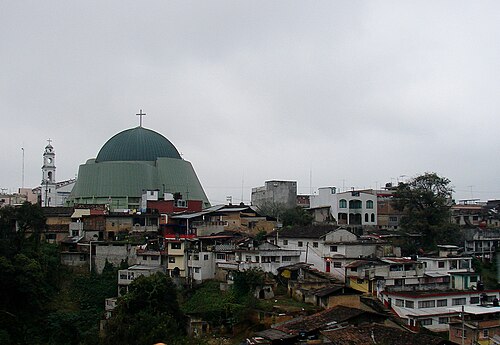
Huauchinango is a picturesque municipality located in the northeastern region of the state of Puebla, Mexico. Nestled in the Sierra Norte mountains, it is known for its stunning natural landscapes, temperate climate, and vibrant indigenous culture. The town’s altitude, approximately 1,200 meters above sea level, contributes to its lush vegetation and diverse ecosystems, making it a significant area for agriculture, especially for coffee cultivation. The surrounding mountains provide a breathtaking backdrop, making Huauchinango an attractive destination for ecotourism and outdoor activities such as hiking and bird watching.
Historically, Huauchinango has deep roots in both pre-Hispanic and colonial eras. The area was originally inhabited by indigenous groups such as the Nahua and Otomi, who thrived in this fertile region. Spanish influence began in the 16th century, leading to the establishment of a colonial town that today retains many traditional architectural elements. Huauchinango is famous for its annual festivities, particularly the patron saint festival in honor of San Juan Bautista, which attracts visitors with its colorful parades, music, and traditional dances. The local economy is bolstered by tourism, agriculture, and small-scale industries, with residents engaging in crafts such as weaving and pottery, showcasing the area's rich cultural heritage.
In addition to its natural beauty and historical significance, Huauchinango is recognized for its warm, welcoming community and vibrant markets. These markets feature an array of locally produced goods, culinary delights, and handcrafted items that reflect the town’s cultural identity. The region's unique blend of indigenous and colonial influences continues to shape the local lifestyle, creating a distinctive atmosphere that resonates with both residents and visitors. With its scenic landscapes, rich traditions, and community spirit, Huauchinango stands as a remarkable example of Mexico's cultural and geographical diversity, inviting travelers to explore its charms and history.
Facts about Huauchinango
- Huauchinango is known for its rich indigenous history and was once an important cultural center for the Nahua people.
- The town celebrates the 'Fiesta de la Candelaria' each February, a unique festival featuring traditional music and dance that highlights local customs.
- Huauchinango is famous for its production of coffee, particularly the 'Agua de Huauchinango' variety, which is cultivated in the surrounding mountainous regions.
- The Huauchinango National Park, with its diverse flora and fauna, is a major attraction for eco-tourism and outdoor activities, distinguishing it from many other towns in Mexico.
- In Huauchinango, visitors can see the 'Parroquia de San Juan Bautista', a stunning 18th-century church that is a notable example of colonial architecture unique to the region.
- The town plays host to the annual 'Festival del Mole', celebrating the traditional Mexican dish with variations unique to Huauchinango, drawing culinary enthusiasts from across the country.
- Huauchinango's geographical layout includes impressive waterfalls and lush landscapes, making it a picturesque destination compared to other towns.
- The local artisans are known for their craftsmanship in making traditional textiles and pottery, which are infused with the cultural heritage of the area.
- Huauchinango's climate is characterized by a cooler temperature due to its elevation, which contributes to its unique agricultural practices compared to the drier regions of Mexico.
- The town was historically significant during the Mexican War of Independence, serving as a strategic location for various battles and political movements.