Huế, Vietnam
- 351,456 people
- 15 places to visit
- 16.4637, 107.5909
Places to Visit (15)
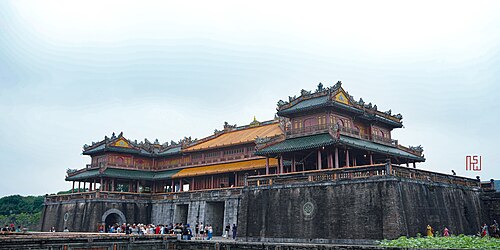
Huế, located in central Vietnam along the banks of the Perfume River, is a city steeped in history and culture. It served as the capital of Vietnam during the Nguyen dynasty from 1802 to 1945, making it a significant center for politics, culture, and religion. The city’s rich heritage is epitomized by the Imperial City, a UNESCO World Heritage Site, which showcases traditional Vietnamese architecture and a well-preserved layout that reflects the dynastic rule of the Nguyen emperors. The Imperial City is surrounded by a series of fortifications and a moat, making it a fascinating destination for history enthusiasts. Within the complex, visitors can find palaces, temples, and gardens that tell the story of Vietnam’s royal past.
Beyond the imperial legacy, Huế is also known for its vibrant culture and cuisine. The city is famous for its traditional dishes, such as bún bò Huế (a flavorful beef noodle soup) and various types of bánh (Vietnamese rice cakes and pastries). The influence of the former imperial court is evident in the local culinary practices that prioritize fresh ingredients and artistic presentation. Huế is also home to numerous pagodas and monasteries, such as the Thien Mu Pagoda, which is considered one of the oldest and most iconic religious structures in the region. The harmonious blend of nature, culture, and history in Huế draws both domestic and international tourists, making it an essential stop for anyone exploring Vietnam. The city's commitment to preserving its cultural heritage while adapting to modernity continues to shape its identity, ensuring that Huế remains a pivotal part of Vietnam’s story.
Facts about Huế
- Huế was the imperial capital of Vietnam from 1802 to 1945 during the Nguyễn Dynasty, making it a center of cultural and historical significance.
- The Imperial City of Huế, a UNESCO World Heritage Site, is famous for its grand palaces, temples, and vast complex that reflects traditional Vietnamese architecture.
- Huế is known for its unique and rich culinary tradition, particularly its royal cuisine, which features elaborate dishes that were served in the imperial court.
- The Perfume River, which runs through Huế, is renowned for its scenic beauty and is associated with many legends and historical events.
- Huế hosts the biennial Huế Festival, a cultural event that showcases traditional Vietnamese music, dance, and art, attracting international participation.
- The city is home to Thien Mu Pagoda, the oldest pagoda in the area, which stands as a symbol of Huế and features a seven-story tower.
- Huế has numerous ancient tombs of Nguyen emperors, including the tomb of Emperor Minh Mang, known for its beautiful landscape and architecture.
- The city is recognized for its traditional crafts, including conical hat-making and silk weaving, preserving skills that date back centuries.
- Huế played a significant role in the Vietnam War, serving as a military hub and experiencing intense battles, particularly during the Tet Offensive in 1968.
- Huế is the birthplace of famous Vietnamese poet Ho Xuan Huong, known for her contributions to Vietnamese literature and her unique voice in feminist poetry.