Hückelhoven, Germany
- 39,828 people
- 12 places to visit
- 51.0524, 6.2234
Places to Visit (12)
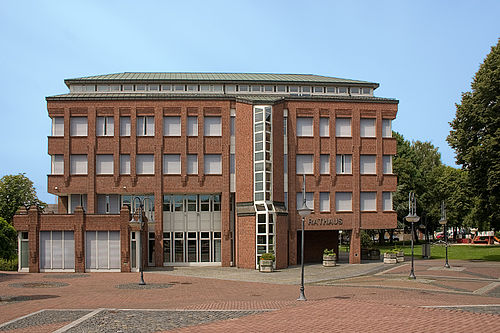
Hückelhoven is a town located in the North Rhine-Westphalia region of Germany, within the district of Heinsberg. Positioned approximately 15 kilometers northwest of Düsseldorf, it is part of the western industrial area of Germany. The town has a population of around 25,000 residents and is known for its historical significance and industrial heritage. Hückelhoven’s origins can be traced back to the early medieval period, and over the centuries, it developed around the coal mining industry that flourished in the 19th and early 20th centuries. The local economy once relied heavily on this industry, which has since declined, prompting a shift towards other sectors like logistics and manufacturing.
The town features a mix of modern and traditional German architecture, with several notable landmarks, including the St. Martin’s Church and the remnants of the old castle. Hückelhoven is also home to various parks and recreational areas that cater to residents and visitors alike, promoting outdoor activities and community engagement. The town hosts annual events and festivals, reflecting its rich cultural landscape. Additionally, Hückelhoven is well connected to neighboring cities through public transportation, making it an accessible location for commuting and tourism. The presence of educational institutions further enhances its appeal as a residential area, combining the charm of a small town with the conveniences of nearby urban centers.
Facts about Hückelhoven
- Hückelhoven is notable for its coal mining history, specifically as part of the Rhenish lignite mining area, which significantly shaped the local economy and infrastructure.
- The town features a unique hybrid of industrial and natural landscapes, with remnants of mining sites coexisting alongside parks and nature reserves.
- Hückelhoven's St. John's Church, dating back to the 12th century, is a remarkable example of Romanesque architecture in the region.
- The city is home to the 'Hückelhoven Windmill', a historic windmill that has been restored and serves as a symbol of the town's agricultural heritage.
- Hückelhoven hosts an annual circus festival, which attracts circus performers and enthusiasts from around the country, celebrating the art of circus performance.
- The town is located at the intersection of the rivers Rur and Wurm, providing picturesque waterways and recreational opportunities rare in many German towns.
- Hückelhoven is part of the district of Heinsberg, which is known for its contributions to the local agricultural economy, particularly in potato farming.
- In recent years, Hückelhoven has focused on sustainable development, making strides in integrating renewable energy sources within the community.
- The local museum, 'Heinsberg District Museum', showcases the industrial history and cultural heritage of Hückelhoven and its surrounding areas, a unique aspect of local pride.
- Hückelhoven has a vibrant community spirit, evident through various local festivals that celebrate regional culture, art, and tradition, setting it apart from larger cities.