Huelva, Spain
- 144,258 people
- 10 places to visit
- 37.262, -6.9427
Places to Visit (10)
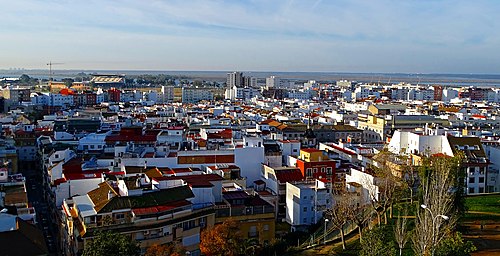
Huelva is a coastal city located in the southwestern part of Spain, serving as the capital of the province of the same name in the autonomous community of Andalusia. Situated on the banks of the Odiel and Tinto rivers, Huelva boasts a rich history that dates back to antiquity, with records indicating settlements by the Phoenicians, Greeks, and Romans. The city plays a pivotal role in the discovery of the Americas, as it was from the nearby port of Palos de la Frontera that Christopher Columbus set sail in 1492 on his first voyage to the New World. The historical significance of Huelva is reflected in its cultural heritage, which includes numerous monuments and museums that celebrate this legacy, such as the Muelle de las Carabelas, where replicas of Columbus's ships can be found.
Modern-day Huelva is a vibrant city known for its diverse economy primarily centered on agriculture, mining, and tourism. The region is famous for its high-quality strawberries and other agricultural products. Additionally, Huelva has significant industrial activity, particularly in the mining sector, where copper, pyrites, and other minerals are extracted. The city's architecture features a mix of traditional and modern styles, with notable structures including the Cathedral of La Merced and the Plaza de las Monjas. Huelva also enjoys a Mediterranean climate, characterized by mild winters and hot summers, making the region attractive for visitors seeking outdoor activities. The nearby natural parks, such as Doñana National Park and the Sierra de Aracena, offer opportunities for hiking, birdwatching, and enjoying the region's rich biodiversity. Furthermore, Huelva's coastal location allows for beautiful beaches along the Costa de la Luz, drawing tourists to its relaxed ambiance and culinary delights, including the renowned jamón ibérico and fresh seafood.
Facts about Huelva
- Huelva is known for its historical significance in the discovery of America; Christopher Columbus set sail for the New World from the port of Huelva in 1492.
- The city is famous for its unique mineral, namely 'Cobre,' which has been mined in the area since ancient times, contributing significantly to its economy.
- Huelva hosts the annual 'Huelva American Film Festival,' the oldest film festival dedicated to the cultural ties between Spain and the Americas.
- The province is home to the Doñana National Park, a UNESCO World Heritage site and one of Europe's most important wetlands, rich in biodiversity.
- Huelva is notable for its seafood, especially the famous 'Jamón de Huelva,' a type of acorn-fed Ibérico ham that is highly regarded in Spain.
- The city has a rich religious heritage, evidenced by the 'Misterio de El Rocío,' a pilgrimage that draws thousands to the nearby village of El Rocío each June.
- Huelva's architectural highlight is the 'Iglesia de San Pedro,' a remarkable example of late Gothic and Mudejar architecture.
- The local economy benefits from the nearby chemical and mining industries, especially the production of phosphates, which has historically been a major employer.
- Huelva is also known for its beautiful beaches along the Costa de la Luz, such as Punta Umbría, which offers stunning views and vibrant beach culture.
- The city celebrates its 'Semana Santa' (Holy Week) with distinct traditions, featuring unique processions and a deeply rooted cultural significance.