Huesca, Spain
- 52,059 people
- 15 places to visit
- 42.1318, -0.4078
Places to Visit (15)
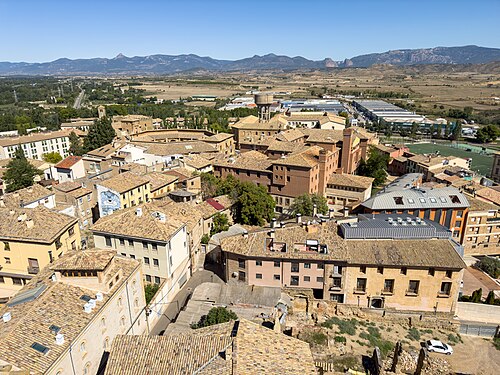
Huesca is a historical city located in the northeastern region of Spain, serving as the capital of the province of the same name within the autonomous community of Aragon. Nestled at the foot of the Pyrenees mountains, it offers a picturesque setting with its blend of natural beauty and rich heritage. The city has a population of approximately 52,000 residents and is known for its strategic location, which has made it an important crossroads throughout history. Huesca's origins trace back to Roman times when it was known as Osca, and several archaeological remnants from this period can still be seen today, including parts of the ancient city wall and the remains of the Roman theatre.
In addition to its historical significance, Huesca boasts a vibrant cultural scene. The city's architectural landscape is characterized by a mix of Gothic, Romanesque, and Baroque styles, with notable landmarks such as the Cathedral of Huesca, which features a beautiful Baroque façade and a stunning interior adorned with artistic works. The city also celebrates various festivals throughout the year, the most famous being San Lorenzo, which takes place in August and includes colorful parades, traditional music, and local cuisine, reflecting the city's rich cultural traditions. Huesca's local gastronomy showcases specialties like "ternasco," a succulent lamb dish, and "migas," a traditional bread-based meal, highlighting the region's agricultural heritage.
Huesca is not only a hub of historical and cultural significance but also serves as a gateway to outdoor activities and natural landscapes. The nearby Ordesa y Monte Perdido National Park offers opportunities for hiking, climbing, and enjoying the breathtaking scenery of the Pyrenees. The city's combination of historical legacy, cultural richness, and access to nature makes Huesca a unique destination for visitors looking to explore the lesser-known gems of Spain. With its charm and diverse offerings, Huesca continues to attract tourists and locals alike, preserving its identity while embracing modernity.
Facts about Huesca
- Huesca is one of the oldest cities in Spain, with a history that dates back to the Roman era when it was known as Osca.
- The city is famous for its stunning Gothic cathedral, the Cathedral of Huesca, which boasts unique architectural features, including a striking combination of Romanesque and Gothic styles.
- Huesca is the birthplace of the renowned Spanish poet and playwright, Ramón y Cajal, who won the Nobel Prize in Physiology or Medicine in 1906.
- The city serves as a gateway to the Pyrenees, making it a popular destination for outdoor activities like hiking, skiing, and mountain climbing.
- Huesca hosts the Huesca Festival, which celebrates the region's rich cultural heritage, featuring traditional music, dance, and local cuisine each August.
- The City of Huesca is known for its impressive medieval walls, which date back to the 11th century and provide a glimpse into the city's historical defenses.
- Huesca is recognized for its culinary tradition, especially the exquisite 'Borcón' cheese, which is produced in the nearby region and carries a unique flavor profile.
- The local wine produced in Huesca, particularly from the Somontano DO region, has gained recognition for its quality, with many vineyards offering tours and tastings.
- Huesca is home to the Monastery of San Pedro el Viejo, which is one of the oldest Romanesque structures in Spain and showcases stunning frescoes.
- Every September, Huesca celebrates the festival of San Lorenzo, which features processions, fireworks, and a variety of cultural events, drawing visitors from across the country.