Hugli, India
- 177,005 people
- 9 places to visit
- 22.9088, 88.3967
Places to Visit (9)
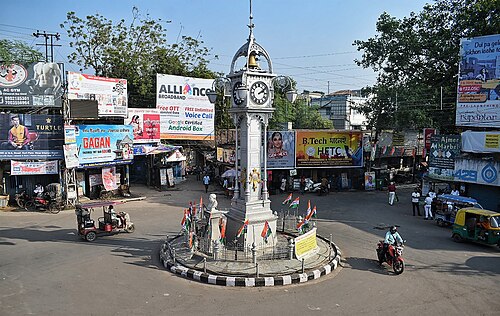
Hugli, also known as Hooghly, is a city in the Indian state of West Bengal, situated on the banks of the Hooghly River, which is a distributary of the Ganges River. It lies approximately 40 kilometers north of Kolkata, the state capital. Founded in the 17th century, Hugli has a rich historical significance as it emerged as a prominent trading and administrative center during the colonial period. The city was an important hub for the British East India Company, and remnants of its colonial past are still evident in the architecture and civic structures throughout the area. Hugli is also known for its vibrant culture, reflecting a blend of Bengali traditions and influences from various communities that settled in the region over the years.
The economy of Hugli is diverse, encompassing agriculture, trade, and small-scale industries. The fertile lands in the surrounding areas support the cultivation of rice, jute, and various fruits and vegetables. The city's industrial landscape features a mix of traditional industries, such as handloom and fishing, alongside modern enterprises, including textiles and manufacturing. Hugli also serves as a crucial transportation hub, with well-connected rail and road networks facilitating commerce and mobility. The city has several notable landmarks, including the famous Bandel Church, which is a testament to the region’s rich Christian heritage, and the historic Hooghly Imambara, known for its stunning architecture and cultural significance.
Hugli’s demographic profile is characterized by a diverse population that includes various communities, contributing to a rich tapestry of cultural and religious practices. Festivals play a crucial role in the city's social life, with celebrations such as Durga Puja, Eid, and Christmas drawing large crowds and fostering a sense of unity among different groups. Education and healthcare facilities in Hugli have improved significantly over the years, bolstering the quality of life for its residents. The city is also in proximity to other historical and cultural sites in West Bengal, making it an important destination for both residents and tourists interested in exploring the region's vast heritage. With its unique blend of history, culture, and economic activity, Hugli continues to be a vibrant part of West Bengal's socio-economic landscape.
Facts about Hugli
- Hugli, also known as Hooghly, is named after the Hooghly River, which is a distributary of the Ganges River and an important waterway in Bengal.
- The city was established in the late 15th century and served as a key trading port for the Portuguese, Dutch, and British during the colonial era.
- Hugli is home to the famous Chandannagar Museum, which showcases artifacts and exhibits related to the French colonial history of the region.
- The city's iconic 19th-century Church of St. John the Baptist is a significant architectural landmark, representing the early European influence in the area.
- Hugli plays a vital role in Bengal's cultural heritage with its numerous festivals, including the Hooghly Imambara, which attracts thousands during the Eid celebrations.
- The city was part of the early establishment of the East India Company in India, making it a significant site for British trade operations.
- Hugli features the largest jute mill in India, reflecting its historical significance in the jute industry, which is crucial for the local economy.
- The town is known for its vibrant market life, particularly the traditional Bangla sarees and sweets, which are unique to the region.
- The Hooghly River, with its historical ties and scenic beauty, serves as a popular site for river cruises and festivals.
- Hugli has a rich literary history, with several notable Bengali writers and poets, such as Michael Madhusudan Dutta, being linked to the area.