Huşi, Romania
- 29,129 people
- 7 places to visit
- 46.6759, 28.059
Places to Visit (7)
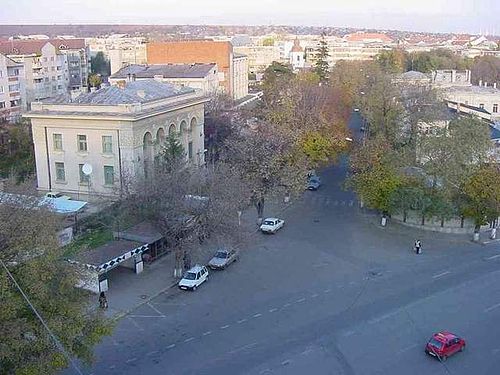
Huşi is a city in eastern Romania, located in Vaslui County, near the border with Moldova. It is situated at the confluence of the Huşi River and the Bârlad River, approximately 30 kilometers from the city of Vaslui. With origins dating back to the 14th century, Huşi has a rich historical legacy and has seen significant cultural and economic development over the centuries. The town's name is believed to be derived from the Hungarian word "hús," meaning meat, reflecting its historical role as a trade hub for livestock and agricultural products. Huşi's strategic position on old trade routes has contributed to its growth and relevance throughout history.
The city is known for its historical landmarks, including the St. Nicholas Church, built in the 18th century, and the "Mihai Eminescu" Cultural House, which commemorates the famous Romanian poet who visited the city. Huşi also boasts various educational institutions, including high schools and vocational schools, contributing to the local culture and economy. The economy of Huşi has traditionally been agrarian, with a focus on animal husbandry and crop production, but it has diversified over time, incorporating small-scale industries and services. Additionally, the city serves as a administrative center for the surrounding rural areas, highlighting its role as a vital link between urban and rural communities in the region.
In recent years, Huşi has faced challenges typical of smaller cities in Romania, such as population decline and economic transition. However, efforts to revitalize the city through cultural promotions and infrastructure development are underway. Huşi is also part of the larger Moldavian cultural region, which influences its traditions, dialect, and festivals. Consequently, Huşi remains a unique blend of history, culture, and community, offering glimpses into the Romanian spirit and heritage amid modern developments. The city's residents take pride in their distinct past and are keen to maintain Huşi's identity as both an agricultural hub and a center for cultural and educational growth.
Facts about Huşi
- Huşi is known for its rich history, having been first documented in 1434, making it one of the older towns in Romania.
- The city is famous for its scenic landscapes and is located near the Prut River, which forms the border between Romania and Moldova.
- Huşi was a significant center of cultural and intellectual life during the 19th century, contributing to the Romanian national revival.
- The city is home to the 'Huşi Monastery', an important religious site founded in the 15th century, known for its unique architecture and historical significance.
- Huşi is known for its wine production, particularly the Huşi wine region, recognized for its high-quality wines and vineyards.
- In 1836, Huşi played host to the first Romanian grammar school, marking an important milestone in the region's education history.
- The town has a unique local tradition called 'Mărţişor', celebrated every March 1st, where people exchange small tokens symbolizing spring and renewal.
- Huşi held the first Romanian feminist convention in 1912, highlighting its role in advancing women's rights in the country.
- The city is also known for the annual 'Huşi International Festival', which celebrates diverse arts, culture, and local traditions.
- Huşi has a unique blend of architectural styles, with buildings reflecting influences from different historical periods, including the Austro-Hungarian era.