Husum, Germany
- 20,841 people
- 12 places to visit
- 54.4856, 9.0566
Places to Visit (12)
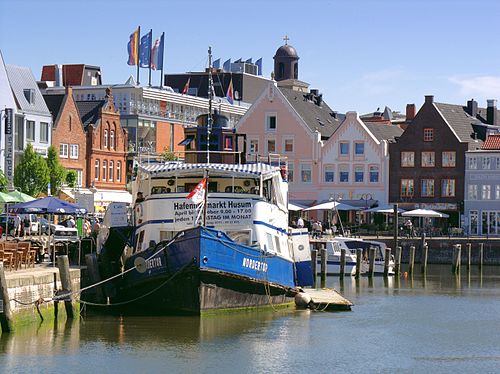
Husum is a picturesque city located in the northern part of Germany, specifically in the state of Schleswig-Holstein. Situated on the North Sea coast, it serves as a notable port and has a rich maritime heritage. With a population of approximately 19,000 residents, Husum is known for its charming old town, characterized by narrow streets, historic buildings, and waterfront views. The city’s history dates back to the 12th century, and it gained prominence as a trading hub in the Middle Ages, particularly for its role in the herring trade. Today, Husum is celebrated for its well-preserved architecture, including the iconic St. Mary's Church, which features remarkable medieval art and a stunning altar.
Husum also plays host to various cultural events, including the annual Husum Literary Festival and a range of local markets that attract visitors from both near and far. Its location adjacent to the Wadden Sea National Park, a UNESCO World Heritage site, further enhances its allure, as the area is rich in diverse wildlife and offers unique opportunities for nature enthusiasts. The city embraces its coastal setting with activities like kite surfing and seal watching, while the scenic landscapes provide a tranquil escape. Additionally, Husum is known as the "Grey City by the Sea" due to its association with the writer Theodor Storm, who was born here and featured the town in many of his works. This literary heritage continues to be a point of pride for Husum, making it a magnet for art lovers and historians alike. Overall, Husum combines natural beauty, historical significance, and cultural vitality, making it a distinctive destination in Germany's Schleswig-Holstein region.
Facts about Husum
- Husum is known as the 'Grey Town' due to the distinctive grey-painted buildings that line its streets, especially in the historic town center.
- The city is famous for its association with the renowned poet Theodor Storm, who was born there. His former home, now a museum, attracts many literary enthusiasts.
- Husum hosts the annual 'Husumer Hafentage' festival, a vibrant harbor festival that celebrates the city's maritime culture with music, food, and activities.
- The Husum Castle, built in the 16th century, serves as a significant landmark and showcases Renaissance architecture unique to the region.
- The city has a notable connection to the North Frisian culture and is a hub for preserving the North Frisian language and traditions.
- Husum is home to the world's largest collection of Danish Modern furniture, housed in the Museum Art 49, emphasizing its role in design history.
- The region around Husum features the 'Schleswig-Holstein Wadden Sea', a UNESCO World Heritage site known for its unique tidal flats and biodiversity.
- Husum's harbor is an important fishing port, contributing to its reputation for fresh seafood, particularly local specialties like crab and herring.
- The city has a rich shipbuilding history, with roots dating back to the Middle Ages, which set it apart from many other German towns.
- Husum marks the point where the North Sea meets the land, making it a significant location for maritime trade and transportation in northern Germany.