Huzhou, China
- 1,015,937 people
- 7 places to visit
- 30.893, 120.0881
Places to Visit (7)
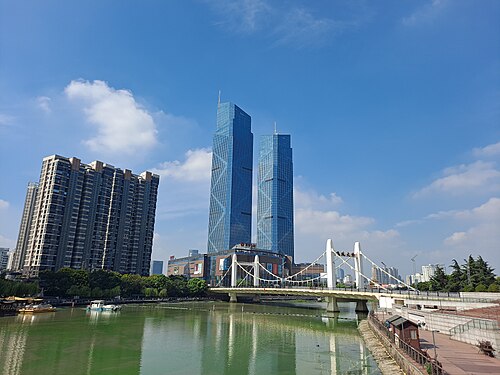
Huzhou, a city located in the northern part of Zhejiang province in Eastern China, is nestled between Lake Taihu and the Yangtze River Delta. It covers an area of approximately 5,800 square kilometers and has a population of over 2 million residents. Huzhou is recognized for its picturesque landscapes, with a combination of mountains, rivers, and waterways that contribute to its charm. The city is often noted for its rich cultural heritage, historical sites, and thriving economy, primarily driven by textiles, tea production, and tourism. Additionally, Huzhou is one of the pivotal cities in the development of the Yangtze River Delta Economic Zone, which is one of China's most economically vibrant regions.
Historically, Huzhou has played a significant role in trade and culture since ancient times. It was known as a center for silk production, and many of its traditional industries remain influential today. The city boasts several tourist attractions, including the iconic Huzhou Bamboo Sea, which offers stunning bamboo forests perfect for hiking and exploration, and the ancient town of Wuxing, where traditional architecture and local crafts thrive. Huzhou is also home to an extensive array of cultural sites, such as the Five Ponds and Six Ancients scenic area, which is rich in natural beauty and historical significance. The city's geographic location provides convenient access to major urban centers such as Shanghai and Hangzhou, further enhancing its appeal as a residential and commercial hub. Huzhou continues to develop its tourism sector while also focusing on sustainable practices that preserve its natural and cultural heritage.
Facts about Huzhou
- Huzhou is renowned for its ancient bamboo culture, with the city historically being a significant center for bamboo cultivation and craftsmanship.
- The city is home to the picturesque West Lake (not to be confused with Hangzhou), known for its beautiful scenery, traditional architecture, and serene waterways.
- Huzhou boasts the largest freshwater lake in Zhejiang province, Taihu Lake, which is famous for its scenic beauty and biodiversity.
- The region is recognized for its traditional silk production, with a history of sericulture that dates back over 1,000 years.
- Huzhou is a city that has a rich history dating back over 2,500 years, having been established during the Spring and Autumn Period.
- The city is known for its unique 'Huzhou-style' tea culture, particularly the production of Longjing tea, which is highly prized in China.
- Huzhou has distinctive Huizhou architecture, characterized by intricate wooden carvings and stone lintels, lending a unique aesthetic appeal to its streets.
- The Huzhou area is known for its contributions to Chinese literature and art, being home to many celebrated poets and painters during the Tang and Song dynasties.
- Huzhou hosts the annual Huzhou Caicun Silk Festival, celebrating its rich silk heritage and attracting visitors from across the region.
- The city's historical significance as a communication hub during the ancient Maritime Silk Road distinguishes Huzhou from other inland cities.