Hybla Valley VA, United States
- 15,801 people
- 14 places to visit
- 38.7476, -77.083
Places to Visit (14)
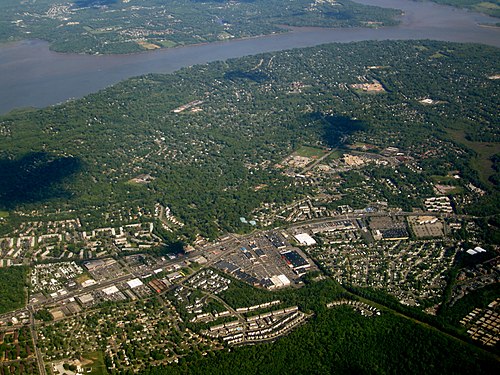
Hybla Valley, Virginia, is a community located in Fairfax County, just south of the city of Alexandria. It is primarily residential, characterized by a mix of suburban neighborhoods and shopping areas. The history of Hybla Valley dates back to its origins as a rural area, but it has experienced significant development over the years, especially in the mid-20th century as the Washington, D.C. metropolitan area expanded. The community is conveniently situated near several major transportation routes, including the Richmond Highway (U.S. Route 1), which facilitates easy access to nearby urban centers.
The population of Hybla Valley is diverse, reflecting the broader demographic trends of the Northern Virginia region. The area is home to a mix of families, young professionals, and retirees. Local amenities include parks, schools, and shopping centers, catering to the needs of its residents. Hybla Valley also benefits from its proximity to a range of recreational opportunities, including parks like Grist Mill Park and the nearby Mount Vernon Trail, which follows the Potomac River. Although it is primarily a residential area, Hybla Valley's location offers residents access to the cultural, historical, and economic opportunities available in Washington, D.C., and surrounding regions.
Public transportation options are available in and around Hybla Valley, with bus services connecting residents to the greater Washington, D.C. area. While there are no Metro stations directly within Hybla Valley, the nearby Huntington Metro Station provides access to the Washington Metropolitan Area Transit Authority (WMATA) system. Overall, Hybla Valley stands out as a convenient, family-friendly community that combines suburban living with accessibility to urban amenities, making it an appealing place for many looking to live in the vibrant Northern Virginia region.
Facts about Hybla Valley
- Hybla Valley is an unincorporated community in Fairfax County, Virginia, which means it does not have its own governing body or municipal services.
- The community was named after the ancient city of Hybla in Sicily, reflecting the influence of Italian settlers in the area during the early 20th century.
- Hybla Valley is located near the Potomac River and is a part of the Washington Metropolitan Area, providing residents with easy access to numerous cultural and historical landmarks in the nation's capital.
- The area is known for its diverse population and multicultural community, with significant representation from Hispanic, Asian, and Middle Eastern communities.
- Hybla Valley features a mix of residential and commercial developments, including the historic Hybla Valley Shopping Center, which has been a local staple since the 1960s.
- Despite being an unincorporated community, Hybla Valley is known for its community gatherings and events, including annual festivals that celebrate its diverse cultural heritage.
- The community has a number of parks and recreational areas, including the popular Huntley Meadows Park, which is a notable wildlife refuge and a significant ecological habitat in Northern Virginia.
- Hybla Valley's proximity to the Fort Belvoir military installation contributes to its population diversity and offers various employment opportunities for residents.
- Historically, Hybla Valley has been influenced by significant transportation developments, such as the construction of major highways like Route 1, which spurred residential and commercial growth in the mid-20th century.
- The area is strategically located for public transit access, being served by Metrobus routes that connect it to broader public transportation systems in the D.C. metropolitan area.