Hyderabad, Pakistan
- 1,386,330 people
- 12 places to visit
- 25.396, 68.3578
Places to Visit (12)
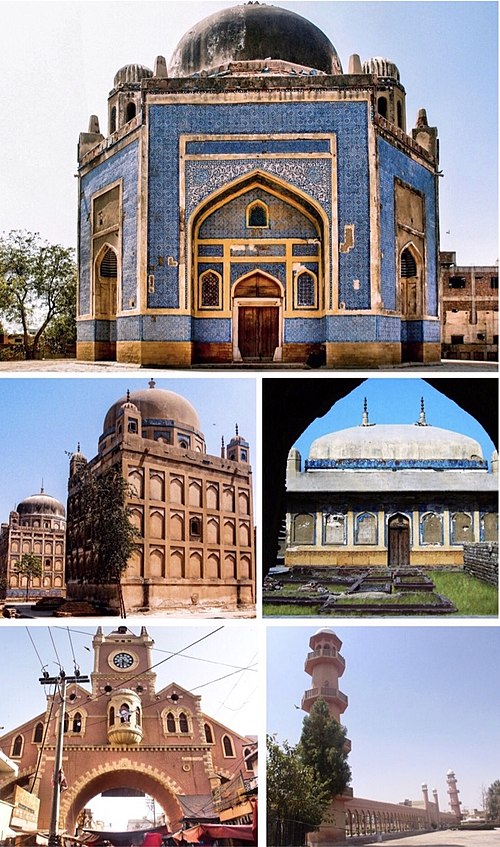
Hyderabad is a vibrant city located in the Sindh province of Pakistan, positioned about 150 kilometers northeast of Karachi. Established in 1768 by the Mughal ruler Ghulam Shah Kalhoro, it has evolved into one of the most populous urban centers in the country. The city was built on the banks of the Indus River, which has played a crucial role in its development, supporting agriculture and trade throughout history. Rich in cultural heritage, Hyderabad is known for its unique blend of Sindhi and Mughal influences, reflected in its architecture, cuisine, and traditional crafts.
Today, Hyderabad serves as a key economic hub in Sindh, with a diverse economy that includes manufacturing, agriculture, and services. The city is famous for its production of textiles, particularly the classic Sindhi ajrak and other handicrafts, which are locally and internationally sought after. Alongside its thriving industrial sectors, Hyderabad is also home to several educational institutions, contributing to a growing educated workforce. The population, largely composed of Sindhi speakers, embraces a rich tapestry of traditions, festivals, and social customs, which are showcased in various cultural events throughout the year. Notable landmarks such as the Sindh Museum, the ancient fort of Hasanabad, and the bustling markets of the Old City reflect the area's historical significance and contemporary vibrancy.
Despite facing challenges such as urbanization and infrastructure development, Hyderabad continues to be a symbol of resilience and cultural pride for its residents. The city has seen efforts toward modernization while still preserving its historical essence. Ongoing infrastructural projects aim to improve connectivity and public services, further enhancing its role as an economic and cultural center. As a city that balances tradition with modernity, Hyderabad stands out in Pakistan's landscape, attracting visitors with its charm, rich history, and the warm hospitality of its people.
Facts about Hyderabad
- Hyderabad is known for its rich history and is one of the oldest cities in Pakistan, founded in 1768 by Mian Ghulam Shah Kalhoro.
- The city is famous for its traditional Sindhi culture, with vibrant festivals and folk music that are distinct from other regions in Pakistan.
- Hyderabad is home to the iconic Sindh Museum, which showcases the art, culture, and history of Sindh, highlighting its unique heritage.
- The city is renowned for its delectable cuisine, particularly the Hyderabadi biryani, which is a different variant compared to biryanis found in other parts of Pakistan.
- Hyderabad hosts the annual Sindh Literary Festival, attracting writers, poets, and intellectuals from all over Pakistan to promote literature and arts.
- The Rani Bagh, a historic garden built during the British colonial era, is a significant landmark in Hyderabad and stands out for its colonial architecture.
- The city is also known for its handicrafts, particularly the famous 'Karakul' hats and intricate Sindhi Ajrak, a traditional block-printed fabric.
- Hyderabad is a key educational hub in Sindh province, home to several universities, including the University of Sindh, which was established in 1951.
- The city is situated on the banks of the Indus River, which has played an important role in its historical development and trade since ancient times.
- Hyderabad has a diverse population, with various ethnic groups, making it a melting pot of cultures that contribute to its unique social fabric.