Ibagué, Colombia
- 529,635 people
- 4.4447, -75.2424
No places available for this city.
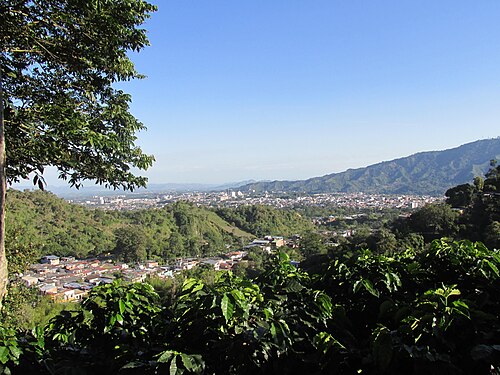
Ibagué is the capital city of the Tolima department in central Colombia, located at an elevation of approximately 1,200 meters (3,900 feet) in the Andean region. Founded on October 14, 1550, by the Spanish conquistador Andrés López de Galarza, Ibagué has grown to become an important cultural and economic hub in Colombia. The city is often nicknamed "The Musical City" due to its rich musical heritage, with a strong emphasis on folklore and traditional Colombian music. Ibagué is also recognized for hosting the National Festival of Music, an annual event that attracts musicians, bands, and visitors from various parts of the country and the world, celebrating the diversity of Colombian music genres.
The economy of Ibagué relies on agriculture, commerce, and services, with significant contributions from sectors like coffee production, textiles, and food processing. The city benefits from its strategic location, serving as a key transit point for the surrounding regions and providing access to major cities like Bogotá and Medellín. Ibagué is also home to various educational institutions, including the University of Tolima, which plays a crucial role in the city’s development and serves a large student population. The city’s infrastructure includes various parks, recreational areas, and a growing transportation network, making it an appealing destination for both residents and visitors. Despite urban challenges such as traffic congestion and pollution, Ibagué boasts a blend of modern amenities and historical charm, with colonial architecture and vibrant cultural activities enriching the local lifestyle.
Tourism in Ibagué offers visitors a range of attractions, including the nearby Nevado del Tolima national park, which is popular for hiking and ecological tourism. The Parque del Tolima, situated in the heart of the city, provides a green oasis for locals and tourists alike, showcasing the region’s natural beauty. Additionally, the city’s food scene features traditional Tolimense cuisine, with dishes like tamales, lechona, and a variety of local fruits drawing the attention of culinary enthusiasts. As Ibagué continues to develop, it remains a city that embodies the rich cultural tapestry and diverse landscapes of Colombia, making it a noteworthy destination for those exploring the Andean region.
Facts about Ibagué
- Ibagué is known as the 'Musical City of Colombia' due to its rich cultural heritage and emphasis on music education.
- The city hosts the prestigious National Festival of Colombian Music, attracting musicians and music lovers from across the country and beyond every year.
- Ibagué is home to the Tolima Departmental Museum, which showcases the region's history, culture, and archaeology, including valuable artifacts from pre-Columbian times.
- The city is located in a valley with an elevation of about 1,250 meters above sea level, providing a unique climate that supports diverse agriculture.
- Ibagué served as a strategic military outpost during Colombia's War of Independence, playing a key role in several important battles.
- The Catedral Metropolitana de Ibagué, with its neo-Gothic architecture, stands as a prominent landmark and a symbol of the city’s religious heritage.
- Ibagué is known for its proximity to the beautiful Cocora Valley and Los Nevados National Natural Park, which offers breathtaking landscapes and biodiversity.
- The city has a strong emphasis on sports, being the birthplace of several famous athletes, particularly in cycling and athletics.
- Ibagué is recognized for its educational institutions, having become a hub for higher education in the Tolima region.
- The city celebrates its founding with the Festival of Ibagué, which includes parades, concerts, and cultural exhibitions, showcasing local traditions.