Ibara, Japan
- 41,460 people
- 13 places to visit
- 34.6, 133.4667
Places to Visit (13)
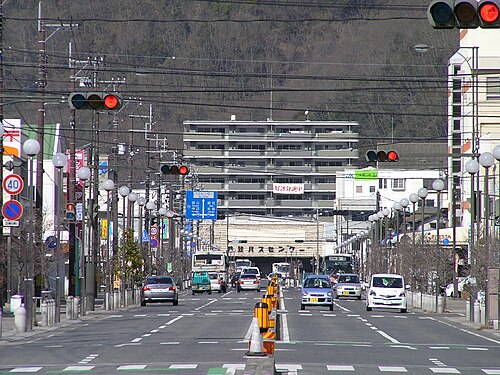
Ibara is a city located in Okayama Prefecture, Japan, known for its rich cultural heritage and scenic landscapes. Established as a city in 1954, Ibara lies in the western part of the country, surrounded by rolling hills and lush greenery. The city is part of the Chugoku region and offers a blend of traditional and modern Japan, with historical sites, local festivals, and beautiful natural settings. Ibara is particularly famous for its abundance of cherry blossom trees, which attract visitors each spring. The city's natural beauty is complemented by its rivers, such as the Ibara River, that meander through the area, creating picturesque vistas that are cherished by both locals and tourists.
Economically, Ibara has evolved from its historical roots in agriculture and traditional crafts to incorporate more diverse industries, including manufacturing and tourism. The city's location provides easy access to major urban centers, such as Okayama and Hiroshima, facilitating commerce and travel. Ibara is also known for its artisanal products, particularly in textiles and crafts, which reflect the region's cultural narratives. The annual Ibara Cherry Blossom Festival is a significant event that showcases the city’s commitment to preserving its natural beauty while promoting community activities. This celebration includes various cultural performances, food stalls, and family-friendly activities, helping to foster a sense of community and attract visitors from all over Japan.
In recent years, Ibara has placed greater emphasis on sustainability and eco-tourism, aiming to protect its natural resources and provide visitors with authentic experiences rooted in the region's history and culture. The city's commitment to showcasing its rich heritage, combined with its natural attractions, makes Ibara an appealing destination for those interested in exploring the more tranquil and culturally rich aspects of Japan away from the hustle and bustle of larger cities. By preserving traditional crafts and promoting local agriculture, Ibara aims to maintain its identity while continuing to evolve in a modern context.
Facts about Ibara
- Ibara is home to the famous Tsubaki Shrine, which is known for its beautiful cherry blossoms and offers unique cultural experiences during the cherry blossom season.
- The city of Ibara has a rich tradition of silk weaving, with many artisans still practicing this craft, making it one of the few places in Japan where hand-woven silk products are still created.
- Ibara is known for the 'Ibara Peach Festival,' which celebrates the region's peach harvest with various events, food stalls, and local performances every spring.
- The city features the stunning 'Ibara Valley,' renowned for its scenic views, hiking trails, and opportunities for outdoor activities, distinguishing it from more urbanized areas.
- Ibara has a robust local community known for its dedicated efforts in preserving traditional Japanese culture, including festivals that showcase local customs and craftsmanship.
- The city's unique topography, characterized by mountains and valleys, contributes to its distinctive climate, attracting visitors looking for cooler summer temperatures compared to more southern regions of Japan.
- Ibara has been recognized for its sustainable tourism initiatives, making it an eco-friendly destination that seeks to promote conservation while still offering cultural experiences.
- The city also boasts impressive archaeological sites, including ancient burial mounds and artifacts that trace back to the Jomon period, captivating history enthusiasts.
- Ibara's annual fireworks festival draws visitors from all over, featuring a stunning display over local rivers and offering a unique perspective unlike those in major metropolitan areas.
- Ibara actively promotes local cuisine, with unique dishes featuring locally grown ingredients, particularly peaches and silkworms, which distinguishes it from culinary offerings in larger cities.