Ibaraki, Japan
- 280,562 people
- 34.8164, 135.5683
No places available for this city.
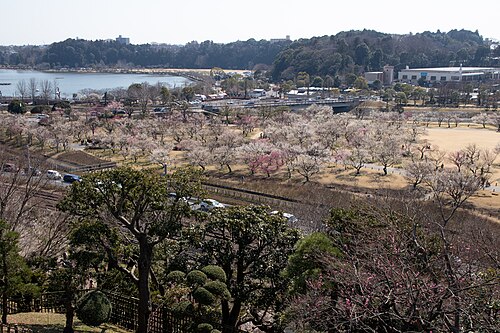
Ibaraki is a vibrant city located in Ibaraki Prefecture, Japan, situated northeast of Tokyo and part of the Kanto region. It serves as a key industrial hub and has a population of approximately 300,000 residents. Established as a city in 1991, Ibaraki has developed rapidly due to its strategic position and robust transportation networks. The city boasts a blend of urban and rural landscapes, offering a unique living environment that attracts both residents and visitors. The area is renowned for its agricultural products, especially its rice, and is considered a gateway to the beautiful landscapes of Mount Tsukuba, which is one of Japan's 100 famous mountains.
Ibaraki is also home to various cultural and historical sites, such as the Ibaraki Prefectural Museum of History, which showcases the region's rich heritage, and the ancient Katori Shrine, a significant Shinto site. The city hosts several annual festivals, like the Ibaraki Fireworks Festival, which draws large crowds and showcases impressive displays of pyrotechnics. With a variety of parks and recreational facilities, Ibaraki provides numerous opportunities for outdoor activities, including hiking and cycling, appealing to nature lovers. Its diverse local cuisine, which highlights fresh produce from the surrounding rural areas, further enhances the city's appeal. Additionally, Ibaraki's proximity to major urban centers like Tokyo allows residents to enjoy a blend of city life and tranquility, making it a desirable location for commuters seeking a balanced lifestyle.
Facts about Ibaraki
- Ibaraki is home to the iconic Fukuroda Falls, one of the three most celebrated waterfalls in Japan, renowned for its stunning natural beauty and unique four-tiered structure.
- The city of Ibaraki houses the Kairakuen Garden, one of Japan's three great gardens, known for its expansive plum grove and beautiful seasonal blooms.
- Ibaraki Prefecture is famous for its agricultural products, particularly its melons and sweet potatoes, which are celebrated in various local festivals.
- The city is recognized for its rich samurai history, particularly in the city of Mito, where visitors can see the historic Mito Castle ruins and learn about the Tokugawa clan.
- Ibaraki is the birthplace of the renowned astronomer Akiyama Sadao, known for his contributions to astrophysics and satellite technology.
- The city hosts the annual Ibaraki Kite Festival, where traditional kite-flying competitions take place, reflecting the region's strong cultural heritage.
- Ibaraki's Tsukuba Space Center plays a key role in Japan's aerospace research and development, contributing to various international space missions.
- The town of Oarai in Ibaraki is famous for its coastal scenery, featuring beautiful beaches and the iconic Oarai Aquarium, which is known for its interactive marine exhibits.
- Ibaraki's National Hitachi Seaside Park features vast fields of seasonal flowers, including the striking blue nemophila blooms in spring, making it a popular tourist destination.
- The city is also known for its thriving onsen (hot spring) culture, with numerous hot spring resorts scattered throughout the region, providing a unique relaxation experience.