Ibi, Spain
- 24,113 people
- 5 places to visit
- 38.6307, -0.5447
Places to Visit (5)
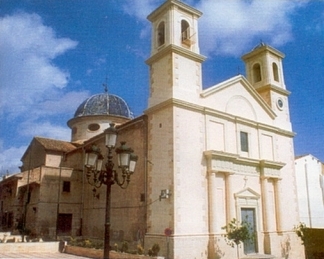
Ibi is a municipality located in the province of Alicante, within the autonomous community of Valencia, Spain. Situated approximately 30 kilometers northeast of the city of Alicante, Ibi lies in the foothills of the Sierra de la Maigmo mountain range. The town is best known for its historical significance in the toy and plastic manufacturing industries, which have shaped its economic landscape for decades. Ibi gained recognition as "the toy capital of Spain," owing to the presence of numerous manufacturing companies that produce toys and related products, contributing significantly to the local and national economy.
The town boasts a rich cultural heritage, reflected in its historical architecture and traditions. Ibi features several notable landmarks, including the Church of Our Lady of the Assumption, built in the 18th century, and the Castle of Ibi, a medieval fortress that once served as a defensive structure. The local population is actively engaged in various cultural festivities, the most famous being the “Fiestas de las Descargas,” celebrated in late August. This event involves colorful parades, traditional music, and spectacular fireworks, drawing visitors from nearby regions and showcasing the vibrant spirit of Ibi's community.
The surrounding natural environment also attracts outdoor enthusiasts, with opportunities for hiking, biking, and exploration of the nearby natural parks. The distinctive Mediterranean climate of Ibi, characterized by hot summers and mild winters, enhances its appeal as a destination for both residents and visitors. In recent years, the local government has invested in improving infrastructure and promoting tourism, further diversifying the economy beyond traditional manufacturing. With its blend of industrial heritage, cultural vibrancy, and natural beauty, Ibi represents a unique facet of Spanish life and continues to develop its identity in a rapidly changing world.
Facts about Ibi
- Ibi is known as the 'Toy City' of Spain due to its long-standing tradition in toy manufacturing, particularly plastic toys.
- The city hosts the annual 'Fira de Ibi', one of the largest toy fairs in Spain, attracting manufacturers and visitors from around the globe.
- Ibi was completely transformed with the arrival of the railway in the 19th century, which significantly boosted its toy industry by facilitating transport and trade.
- The town features a unique landmark, the 'Museo del Juguete' (Toy Museum), which showcases the history and evolution of toys produced in Ibi.
- Ibi has a rich history that dates back to Roman times, with archaeological findings indicating that it was inhabited during this period.
- Every year, Ibi celebrates a traditional festival called 'Els Enfarinats', where participants engage in a playful flour fight to commemorate the New Year.
- The city's architecture is characterized by a mix of traditional Valencian styles and modernist influences, particularly evident in its public buildings and homes.
- Ibi has its own patron saint, San Bartolomé, and hosts a lively festival in his honor, replete with parades, music, and traditional foods each August.
- The nearby natural parks provide opportunities for outdoor activities, making Ibi a gateway to the picturesque landscapes of the Alicante province.
- Ibi is also known for its production of polyurethane and other synthetic materials, supporting a diversified economy beyond toy manufacturing.