Icod de los Vinos, Spain
- 24,024 people
- 13 places to visit
- 28.3671, -16.7138
Places to Visit (13)
Icod de los Vinos is a charming city located on the northwest coast of the island of Tenerife, which is part of Spain's Canary Islands. The city is known for its stunning natural landscapes, rich agricultural heritage, and its historical significance. With a population of around 23,000 residents, Icod de los Vinos lies in a fertile valley surrounded by the majestic Teide National Park, featuring the iconic Mount Teide, the tallest mountain in Spain. The region’s mild climate has made it an attractive area for cultivating grapes and other agricultural products, contributing to Tenerife's reputation as a hub for wine production. The town’s name translates to "Icod of the Wines," underscoring its longstanding relationship with viticulture.
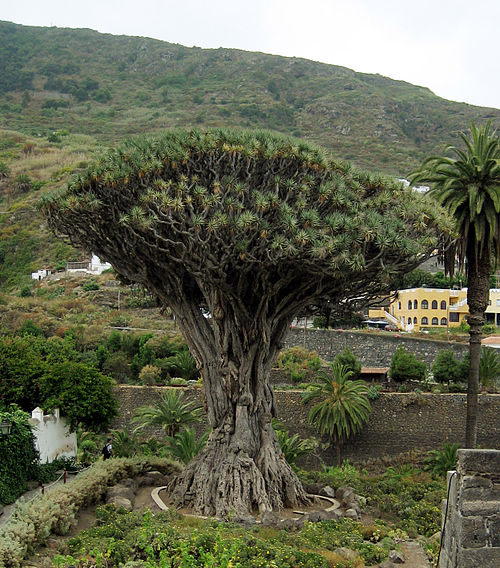
One of the most famous landmarks in Icod de los Vinos is the ancient Drago Milenario, or Millennium Dragon Tree, believed to be over a thousand years old. This unique tree, with its distinctive shape and striking appearance, has become a symbol of the town and draws numerous visitors each year. Aside from the Dragon Tree, Icod de los Vinos boasts several historical sites, including its picturesque old town, which features beautiful architecture, traditional Canarian houses, and a variety of churches, such as the Church of San Marcos. The annual Festival of San Andrés and the celebration of the Day of the Wine also highlight the local culture, showcasing traditional food, music, and wine tastings, further enhancing the city’s vibrant community spirit.
In addition to its cultural and historical significance, Icod de los Vinos is also a base for outdoor enthusiasts. The proximity to natural parks and hiking trails offers opportunities for activities such as hiking, mountain biking, and exploring the island's unique volcanic landscapes. The town serves as a gateway for visitors looking to explore the diverse ecosystems of Tenerife, from lush forests to rugged cliffs along the coastline. As a destination, Icod de los Vinos combines natural beauty, historical intrigue, and a sense of community, making it a notable part of the Canary Islands' appeal.
Facts about Icod de los Vinos
- Icod de los Vinos is renowned for its historic Drago tree, known as Drago Milenario, which is estimated to be over 1,000 years old and is one of the most iconic symbols of the island of Tenerife.
- The city is famous for producing quality wines, particularly the Hierro and Listán varieties, benefiting from the unique volcanic soils of the region.
- Icod de los Vinos participates in the Festival of the Vino, celebrating the rich viticulture of the area with tastings, live music, and traditional dance performances.
- The town features a unique cave system known as Cueva del Viento, the largest lava tube in the European Union and one of the longest in the world, providing opportunities for exploration and education about volcanic activity.
- Icod de los Vinos is home to the Church of San Marcos, an architectural gem built in the 16th century, showcasing beautiful Mudejar and Baroque styles.
- The city is located at a high altitude, offering stunning views of both the Atlantic Ocean and the nearby Mount Teide, the highest peak in Spain.
- Icod de los Vinos has a long-standing tradition of arts and crafts, particularly pottery and textiles, reflecting the cultural heritage of the region.
- The local cuisine is influenced by traditional Canarian flavors, with dishes often featuring fresh seafood, gofio (a type of flour made from roasted grains), and locally produced wines.
- Icod de los Vinos is part of the Tenerife wine route, providing visitors with an opportunity to explore its vineyards and wineries while enjoying guided tastings.
- The city plays host to several annual cultural events, including music festivals and arts fairs that celebrate the local culture and attract visitors from across the island.