Idkū, Egypt
- 177,152 people
- 2 places to visit
- 31.304, 30.3065
Places to Visit (2)
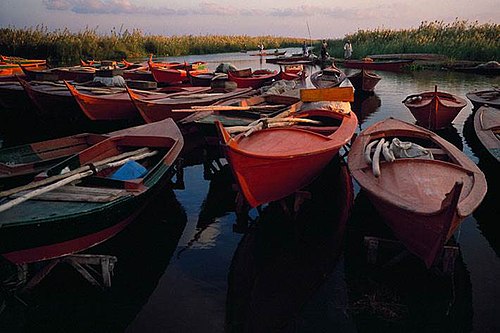
Idkū is a city located in the Beheira Governorate of Egypt, situated in the northern part of the country near the northwestern region of the Nile Delta. It lies approximately 20 kilometers northeast of the city of Alexandria, making it strategically positioned for trade and transportation. Idkū is part of a rich agricultural area, benefiting from the fertile lands fed by the Nile River, which has enabled the residents to engage primarily in agriculture and related businesses. The city is known for its cultivation of rice, wheat, and various vegetables, contributing significantly to the local economy.
Historically, Idkū has roots that trace back to ancient Egypt. The region is believed to have been an important agricultural hub even in antiquity, providing food for nearby urban centers. In contemporary times, the city has evolved into a vibrant community with a population that reflects the diverse cultural influences of Egypt. The economy of Idkū is not solely reliant on agriculture; small industries and local markets thrive, showcasing textiles, pottery, and other traditional crafts. The city features various amenities such as schools, healthcare facilities, and markets, serving both the local populace and surrounding areas.
Despite its smaller size compared to major cities like Alexandria and Cairo, Idkū plays a crucial role in the socio-economic fabric of the Beheira Governorate. The city is connected by road networks that facilitate access to larger economic hubs, enhancing trade opportunities for its residents. Furthermore, Idkū's proximity to Alexandria allows for easy access to both the Mediterranean Sea and larger commercial enterprises. Today, Idkū continues to blend its historical significance with modern development, representing a rich tapestry of Egyptian culture and community life as it moves forward into the future.
Facts about Idkū
- Idkū, also known as Edku, is located near the western shore of Lake Idku in the Nile Delta, which is significant for its ecological diversity.
- The city is famous for its fishing industry, particularly for the production of mullet and other fish types from the nearby lake.
- Idkū is historically known for the ancient city of Taposiris Magna, located nearby, which was once a Greek cultural center and burial site for the Ptolemies.
- The region surrounding Idkū has been inhabited since prehistoric times, with evidence of ancient settlements dating back thousands of years.
- Idkū is home to the modern Idkū Agriculture Research Station, which plays a crucial role in developing agricultural practices in Egypt.
- The city hosts an annual fish festival that celebrates local fish species, attracting visitors and highlighting the community's strong fishing heritage.
- Idkū's economy is heavily reliant on agriculture and aquaculture, distinguishing it from more industrialized urban centers in Egypt.
- The nearby Lake Idku is designated as a protected area, providing habitat for numerous bird species and making it a point of interest for birdwatching and eco-tourism.
- Idkū has a unique traditional music scene that features local folk music, which reflects the cultural influences of both Egyptian and Mediterranean styles.
- The local cuisine in Idkū is characterized by its use of fresh fish and local ingredients, setting it apart from other Egyptian cities known for different culinary traditions.