Idlib, Syria
- 128,840 people
- 3 places to visit
- 35.9327, 36.6413
Places to Visit (3)
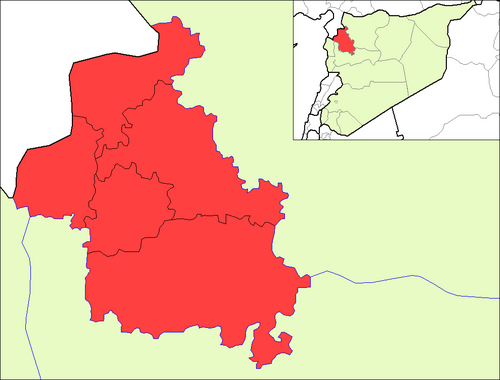
Idlib is a city in northwestern Syria that serves as the capital of Idlib Governorate. Historically, it has been an important trade center due to its strategic location along major trade routes connecting the Mediterranean region to the east. The city is situated approximately 59 kilometers southwest of Aleppo and about 25 kilometers from the Turkish border. Idlib boasts a rich history, with remnants of various civilizations, including the Roman and Byzantine Empires. In the past, it was known for its agricultural products, especially olives and grains, and it had a vibrant market scene that attracted traders from various regions.
The Syrian Civil War, which began in 2011, has significantly impacted Idlib. Initially, the city was a center of opposition to the government of Bashar al-Assad, leading to protests and eventually conflict. Over the years, Idlib became a refuge for displaced people from other parts of Syria, contributing to a sharp increase in its population. As of recent estimates, the city's population has swelled to around 100,000, with many living in makeshift tents and temporary shelters. The area has come under the control of various opposition groups, including Hay’at Tahrir al-Sham (HTS), which has complicated the local governance and stability. In addition to ongoing military operations and clashes, the humanitarian crisis in Idlib has worsened, with many residents facing food insecurity, lack of medical services, and ongoing threats of violence.
Despite these challenges, Idlib remains a focal point for humanitarian efforts. Numerous aid organizations work in the region to provide food, medical care, and shelter for the displaced. The international community has expressed concern over the conditions in Idlib, with calls for ceasefires and safe zones to protect civilians. However, the geopolitical complexities of the Syrian conflict have made such initiatives difficult to implement. As the situation remains fluid, Idlib continues to symbolize the broader struggles faced throughout Syria, embodying the humanitarian, political, and social crises stemming from a decade of war.
Facts about Idlib
- Idlib is known for its rich agricultural land and has historically been a major producer of olive oil in Syria.
- The city has a significant historical background, with the nearby ancient site of Qal'at al-Mudiq, a Crusader castle reflecting the region's diverse historical influences.
- Idlib is one of the few cities in Syria where the local population has largely resisted the government's authority during the ongoing civil conflict.
- The region is home to a range of archaeological sites, including the ruins of the Roman city of Apamea, which is famous for its colonnaded street.
- Idlib has been a focal point for various humanitarian aid efforts during the Syrian civil war, with many international NGOs operating in the area.
- The city has a vibrant marketplace, known as Souq al-Hal, which has been a central hub for trade and commerce for centuries.
- Idlib is notable for its diverse ethnic and religious communities, including Sunni Muslims, Alawites, and Christians, contributing to its rich cultural tapestry.
- It is known for hosting the Idlib National Museum, which showcases artifacts from various periods of Syrian history, including the Roman and Byzantine eras.
- Idlib's strategic location near the border with Turkey makes it a key transit point for refugees escaping the conflict in other parts of Syria.
- The city has recently gained attention as a stronghold for various opposition groups and has been the scene of significant military confrontations in the civil war.