Ieper, Belgium
- 35,089 people
- 17 places to visit
- 50.8492, 2.8779
Places to Visit (17)
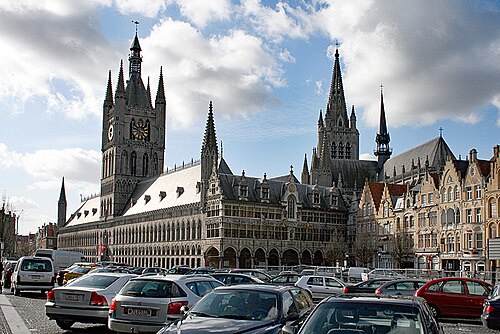
Ieper, known as Ypres in French, is a historic city located in the West Flanders province of Belgium. It is renowned for its significant role during World War I, serving as a focal point of intense military conflict. The city, with a population of approximately 35,000, is characterized by its rich medieval heritage, evidenced by its well-preserved architecture and the iconic Cloth Hall, a UNESCO World Heritage Site. This impressive 13th-century structure, once a center for the wool trade, serves today as a symbol of Ieper's resilience and revival after the devastation of the war. The city's strategic location made it a target for battle, leading to its near total destruction during the conflict. However, extensive reconstruction efforts have restored many historical sites, drawing tourists interested in both history and architecture.
Ieper is also recognized for its numerous war memorials and cemeteries, which pay tribute to the thousands of soldiers who lost their lives in the area. The Menin Gate, a monumental memorial to the missing, stands as a poignant reminder of those who fought in the Ypres Salient. Each evening, the Last Post ceremony takes place here, a heartfelt tribute that has been held continuously since 1928, commemorating the sacrifices made during the war. The city also hosts the Ieper Horse Fair, a tradition that dates back to the Middle Ages, showcasing Ieper's vibrant cultural life. Ieper is not only a site of historical importance but also serves as a thriving community with shops, cafes, and a lively marketplace, making it a significant destination for visitors seeking to understand both its tragic past and its dynamic present.
Facts about Ieper
- Ieper, known as Ypres in French, was a significant battleground during World War I, surrounded by extensive trench networks and battlefields.
- The Menin Gate Memorial in Ieper commemorates the British and Commonwealth soldiers who died in the Ypres Salient, and a daily Last Post ceremony has been held here since 1928.
- Ieper is home to the In Flanders Fields Museum, which educates visitors about the impact of World War I on the region and its people.
- The Cloth Hall of Ieper, a UNESCO World Heritage Site, is a stunning example of medieval architecture and was rebuilt after being destroyed during World War I.
- The city is surrounded by preserved World War I battlefields, including locations like Tyne Cot Cemetery, the largest Commonwealth military cemetery in the world.
- Ieper has a unique public transport connection with nearby towns and cities through historical tram lines that were operational during the war.
- Every year, Ieper hosts the Last Post Association, an event that honors the soldiers who fought and died during World War I, attracting thousands of visitors.
- Ieper's city walls, originally constructed in the 13th century, are one of the few remaining examples of medieval fortifications in Belgium.
- The city's unique blend of history, culture, and remembrance makes it a focal point for historians and tourists interested in World War I.
- Ieper's annual flower carpet event, where a massive carpet of colorful begonias is placed in the town square, showcases the city's commitment to floral artistry.