Ikoma, Japan
- 120,741 people
- 13 places to visit
- 34.692, 135.7005
Places to Visit (13)
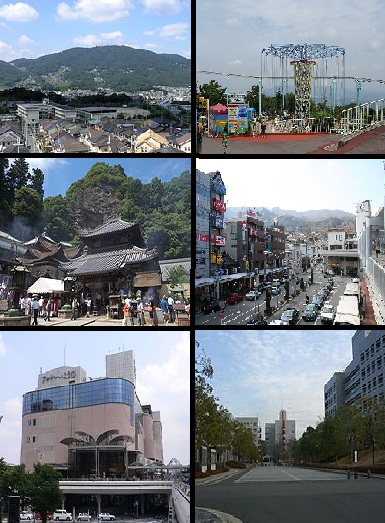
Ikoma is a city located in Nara Prefecture, Japan, situated on the southern edge of the Osaka metropolitan area. It lies approximately 10 kilometers east of Osaka and is nestled in the Ikoma Mountains. As of October 2023, Ikoma has a population of around 130,000 residents. The city is known for its picturesque landscapes, particularly the rich natural scenery of the nearby mountains, which provide a tranquil environment and opportunities for outdoor activities such as hiking and nature watching. The region is characterized by its blend of urban and natural elements, making it an attractive residential area for those seeking proximity to Osaka while enjoying a leisurely environment.
Established as a city in 1956, Ikoma has developed into a vibrant community with a strong emphasis on education and family life. The city's infrastructure includes modern amenities, shopping centers, parks, and schools, contributing to a high quality of life for its inhabitants. Ikoma is particularly renowned for its historical sites, including the Ikoma-dera Temple, a significant Buddhist temple that dates back to the 7th century, and the charming traditional streets that reflect the area's cultural heritage. The city also has strong ties to the popular Ikoma Cable Car, which offers visitors stunning views from the summit of Mount Ikoma. One of Ikoma's unique features is its involvement in local industries, including crafts and food production, showcasing a blend of tradition and modernity.
Ikoma celebrates various cultural festivals throughout the year that highlight its community spirit and local traditions. The city maintains a commitment to preserving its history and natural landscapes while fostering community cohesion and development. The accessibility of Ikoma from major cities through public transportation has further enhanced its appeal as a residential area. With a strong emphasis on education, green spaces, and cultural heritage, Ikoma continues to thrive as a city that balances modern living with the richness of its historical and natural surroundings.
Facts about Ikoma
- Ikoma is renowned for its historical significance during the Nara period, serving as a critical cultural and political center.
- The city is home to the Ikoma Cable Line, one of the oldest aerial tramways in Japan, providing stunning views of the region.
- Ikoma features the Ikoma Mountain, which is famous for its hiking trails and beautiful seasonal foliage.
- The city's iconic landmarks include the historic Hiraoka Shrine, which dates back over 1,400 years and is dedicated to the deity of fortune.
- Ikoma is known for its traditional crafts, particularly pottery and textile arts, which are unique to the region.
- The Ikoma area celebrates the Ikoma Fire Festival every summer, a vibrant event with traditional dances, music, and bonfires.
- Ikoma has a prominent place in Japanese folklore as the setting for the legend of 'Ishibutai Tumulus', a key historical burial site.
- The city's strategic location near the borders of Osaka and Nara has made it a significant transit point throughout Japanese history.
- Ikoma is also recognized for its contributions to modern technology, being a center for research and development in various high-tech industries.
- The Ikoma Wildlife Sanctuary, located in the northern part of the city, serves as a haven for numerous rare and endangered species.