Iława, Poland
- 32,557 people
- 12 places to visit
- 53.596, 19.5684
Places to Visit (12)
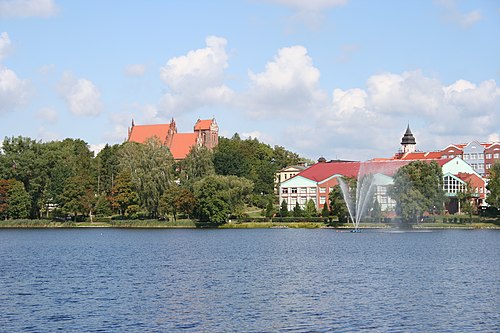
Iława is a picturesque town located in the Warmian-Masurian Voivodeship of Poland, known for its rich history and vibrant natural surroundings. Positioned on the shores of Lake Iława, the town has earned a reputation as a popular destination for both locals and tourists, particularly those interested in water sports and outdoor activities. The town's origins date back to the 13th century, when it was established as a key settlement in the region, strategically situated along trade routes. Its historical significance is evident in its well-preserved architecture, including the 14th-century Church of St. John the Baptist and remnants of the medieval defensive walls.
The economy of Iława is primarily centered around tourism, retail, and services, bolstered by the scenic beauty of the area, which includes numerous lakes, forests, and recreational opportunities. The annual Iława Regatta, which attracts sailing enthusiasts, showcases the town's strong maritime culture. Iława also hosts various cultural events, including music festivals and fairs, contributing to its lively community spirit. The infrastructure in the town is well-developed, offering amenities such as educational institutions, healthcare facilities, and leisure centers. Moreover, Iława’s location makes it an ideal starting point for exploring the surrounding Masurian Lake District, known for its stunning landscapes and diverse wildlife. This combination of natural beauty, historical charm, and modern amenities makes Iława a unique locale within Poland.
Facts about Iława
- Iława is known as the 'Pearl of the Mazury Lakes' due to its picturesque lakes and beautiful natural surroundings.
- The town hosts the largest sailing center in Poland, making it a hub for water sports enthusiasts.
- Iława is famous for the annual Iława Sailing Cup, which attracts sailors from all over Poland and beyond.
- The town's historical architecture includes a 14th-century Gothic church, St. Annes Church, which features impressive stained glass windows.
- Iława is situated at the intersection of several major lakes, including Lake Iława, offering unique opportunities for both fishing and recreation.
- The city has a rich history that includes being part of the Teutonic Knights' territory, which is reflected in its architectural heritage.
- Iława's central location in the Warmian-Masurian Voivodeship makes it a strategic point for tourism and transport in northern Poland.
- The Iława Lagoon is recognized for its biodiversity, attracting nature lovers and birdwatchers to explore its unique fauna and flora.
- Iława has a vibrant cultural scene marked by numerous festivals and events that celebrate local traditions and heritage.
- The city played a crucial role during World War II, with remnants of its history still visible in the landscape and structures.