Ilhéus, Brazil
- 155,499 people
- 10 places to visit
- -14.7981, -39.0347
Places to Visit (10)
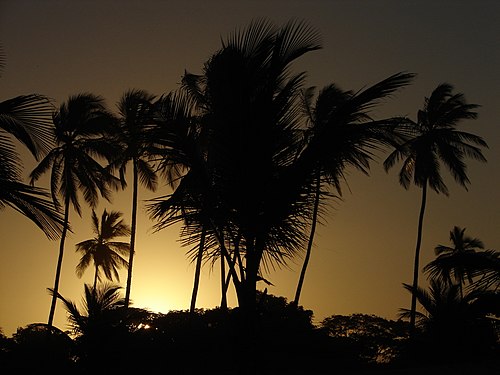
Ilhéus is a coastal city located in the southern region of Bahia, Brazil. With a population of approximately 200,000 residents, it serves as an essential hub for tourism, agriculture, and commerce in the region. Founded in 1534 by Portuguese settlers, Ilhéus boasts a rich historical background, prominently featuring colonial architecture and significant landmarks, such as the Cathedral of São Sebastião and the Jorge Amado House, dedicated to the famous Brazilian author born in the city. Ilhéus played a crucial role in the cocoa industry during the late 19th and early 20th centuries, becoming one of the largest producers of cocoa beans in the world. This economic boom led to the establishment of numerous mansions and cultural institutions, many of which still stand today.
The city's geography is characterized by its stunning beaches, lush Atlantic rainforest, and a tropical climate that attracts tourists year-round. The nearby beaches, such as Praia do Norte and Praia dos Milionários, are popular for their beautiful landscapes and opportunities for water sports like surfing and diving. Aside from its natural beauty, Ilhéus is also known for its vibrant cultural scene, with events celebrated throughout the year, including the Festa de São Jorge and the International Chocolate Festival, which showcases the region's cocoa heritage. The local cuisine is heavily influenced by Afro-Brazilian traditions, featuring dishes like acarajé and moqueca, which highlight the region's culinary diversity.
Ilhéus continues to evolve as a destination that harmoniously blends its historical significance with modern tourist attractions, making it a unique place to explore Bahian culture. In addition to agriculture, sectors like tourism and services are expanding, contributing to urban development without overshadowing the city's historical roots. As Ilhéus embraces its past while moving toward the future, it remains an integral part of Brazil's cultural and economic landscape, reflecting both the challenges and opportunities of a city in a rapidly changing world.
Facts about Ilhéus
- Ilhéus is renowned for its cocoa production, historically considered the cocoa capital of Brazil, which significantly contributed to the region's economy during the 19th and early 20th centuries.
- The city is famous for its stunning beaches, such as Praia dos Milionários and Praia do Norte, attracting tourists with its natural beauty and vibrant coastal life.
- Ilhéus is home to the historic Igreja de São Jorge, built in the 16th century, which is one of the oldest church buildings in the region and showcases colonial architecture.
- The city played a pivotal role in the development of the Brazilian literary scene, being the birthplace of famed Brazilian author Jorge Amado, who heavily featured the city and its surroundings in his works.
- Ilhéus hosted the first Brazilian Cocoa Congress in 1934, a significant event that marked the beginning of organized cocoa production practices in the country.
- The region surrounding Ilhéus is part of the Atlantic Forest biosphere reserve, recognized by UNESCO, noted for its rich biodiversity and numerous endemic species.
- Ilhéus has a vibrant cultural scene, exemplified by the annual Festa de São Jorge, which celebrates the patron saint of the city and includes traditional music, dance, and food.
- The city features the famous Bataclan bar, a historical establishment that inspired the literary works of Jorge Amado and remains a cultural landmark in Ilhéus.
- Ilhéus was the site of the 'Cocoa Barons' of the early 20th century, a unique class of wealthy landowners who influenced Brazilian society and politics through the cocoa trade.
- The city's architecture reflects a mix of colonial and modern styles, with landmarks like the Palacio Paranaguá and the recently developed waterfront area highlighting its historical and contemporary significance.