Ílion, Greece
- 84,793 people
- 12 places to visit
- 38.0379, 23.7053
Places to Visit (12)
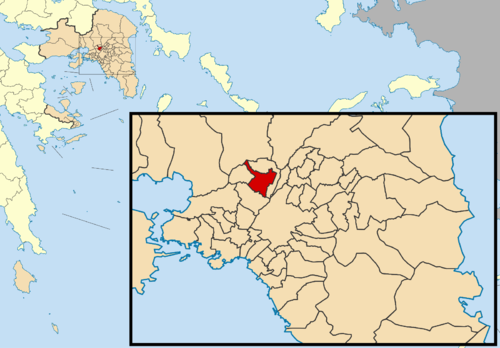
Ílion, also known as Ilion or East Attica, is a city located in the western part of the Attica region of Greece, approximately 10 kilometers northwest of Athens. The city has experienced significant urban development and population growth, particularly in the latter half of the 20th century, transforming from a small settlement into a bustling urban center. As of the latest available data, Ílion has a population of around 80,000 residents, making it one of the more populous municipalities in the greater Athens area. The city's development is characterized by modern amenities, residential blocks, commercial centers, and green spaces, contributing to its appeal as a suburban area adjacent to the capital.
Ílion boasts a rich historical background, with roots tracing back to ancient times. It is believed to have been named after the ancient city of Ilion, which was associated with the Trojan War, lending the area a connection to Greek mythology. Today, the city features several cultural and historical sites, including museums and public monuments that reflect its heritage. The architectural landscape is a blend of modern structures and remnants of its historical past. In terms of infrastructure, Ílion is well-connected to Athens by public transportation, including buses and the metro, facilitating easy access to the capital and surrounding regions. Recreational areas, parks, shopping centers, and various cultural events contribute to the vibrant community life, making Ílion a dynamic place to live and visit within the greater Attica area.
Facts about Ílion
- Ílion, also known as Nea Liosia, is notable for its proximity to the historical site of ancient Troy, which has influenced its modern-day identity.
- The city is home to the famous 'Archaeological Museum of Ilion,' which houses artifacts from the ancient city of Ilium, connecting the modern city to its rich historical background.
- Ílion's location provides a unique blend of urban living with access to the natural beauty of Mount Parnitha, making it a favorite spot for both locals and tourists looking for outdoor activities.
- The area has a significant population of Greek expatriates, particularly from the larger diaspora communities, adding to its cultural diversity.
- Ílion celebrates the 'Feast of Saint Demetrius,' which includes unique local traditions that reflect the city's blend of modernity and history.
- The city has seen substantial growth and development since its establishment in the 20th century, contrasting with many older Greek towns that retain a more traditional character.
- Ílion features several modern architectural landmarks, including innovative residential complexes and public buildings, showcasing contemporary Greek design.
- The city is involved in various artistic and cultural festivals throughout the year, fostering a vibrant local arts scene which is notable compared to more commercially-focused cities.
- Ílion has been recognized for its efforts in sustainability, with numerous green spaces and parks that enhance the quality of urban life, distinguishing it from heavily industrialized cities.
- The local culinary scene is celebrated for its unique interpretations of traditional Greek dishes, often incorporating local ingredients and flavors that reflect the region's agricultural bounty.