Iloilo, Philippines
- 387,681 people
- 13 places to visit
- 10.7202, 122.5621
Places to Visit (13)
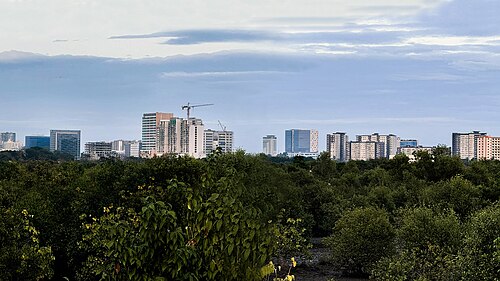
Iloilo City, the capital of Iloilo Province in the Western Visayas region of the Philippines, is known for its rich cultural heritage, historical significance, and rapid urban development. Located on the southeastern part of Panay Island, Iloilo City has been an important trading and economic center since the Spanish colonial period. The city boasts a population of over 400,000 residents, making it one of the most populous cities in the region. It is characterized by its unique blend of modernity and tradition, with bustling urban areas coexisting alongside colonial-era churches, heritage buildings, and vibrant local markets. Notable landmarks include the exquisite Miagao Church, a UNESCO World Heritage site, and the iconic Molo Church, known for its all-female ensemble of saints.
The city is also famous for its culinary delights, particularly its local dishes such as La Paz Batchoy, an aromatic noodle soup, and Pancit Molo, a dumpling soup that reflects the fusion of various cultural influences. Iloilo's Dinagyang Festival is a highlight of the local cultural calendar, celebrated every January in honor of the Santo Niño and showcasing the city’s rich history and colorful traditions through lively street dancing and extravagant parades. As Iloilo City continues to flourish, it combines its historical roots with modern infrastructure, presenting a dynamic economy driven by commerce, education, and information technology. The emergence of business process outsourcing (BPO) and various infrastructure projects, including the construction of new road networks and facilities, further positions Iloilo City as a vital hub in the Philippines. Through its commitment to sustainable development and cultural preservation, Iloilo City stands as a vibrant testimony to Filipino resilience and heritage, making it a notable destination for both local and international visitors.
Facts about Iloilo
- Iloilo is known as the 'City of Love' due to its rich culture of hospitality, sweet dialect, and strong sense of community.
- The city is home to the historic Molo Church, also known as St. Anne Parish Church, famous for its all-women ensemble of saints, a rare sight in Catholic churches.
- Iloilo celebrates the Dinagyang Festival, a vibrant cultural and religious festival held in January, recognized for its lively street dancing and competition.
- The city boasts the UNESCO World Heritage Site of the Miag-ao Church, a stunning example of Baroque architecture that showcases local artistry.
- Iloilo is known for its delicious local cuisines, particularly La Paz Batchoy, a noodle soup that originated from the La Paz district and is a must-try for visitors.
- The Jaro Cathedral in Iloilo City holds the unique honor of having the first female saint in the Philippines, Saint Therese of Lisieux, which differentiates it from many other cathedrals.
- Iloilo is a leading center for Information Technology and Business Process Management (IT-BPM) in the Philippines, earning it the title of 'City of Excellence' in this sector.
- The city has a vibrant historical background, having been an important trading and political center during the Spanish colonization, which influences its architectural and cultural landscape today.
- Iloilo's rivers, particularly the Iloilo River, are famous for their clean waterways and have become a focal point for the city’s revitalization efforts, complete with beautiful river promenades.
- The city has been recognized as one of the most livable cities in the Philippines due to its low crime rates, clean environment, and quality of life initiatives.