Ilorin, Nigeria
- 1,080,000 people
- 12 places to visit
- 8.5373, 4.5444
Places to Visit (12)
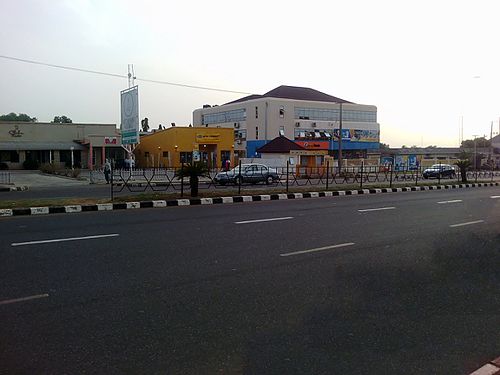
Ilorin is the capital city of Kwara State in Nigeria, located in the western part of the country. Known for its diverse culture and historical significance, Ilorin is strategically positioned at the boundary between the northern and southern regions of Nigeria, making it a melting pot of different ethnic groups and traditions. The city has a population of approximately 800,000 residents, with the majority belonging to the Yoruba ethnic group, alongside notable presence of the Fulani, Hausa, and other indigenous communities. Ilorin's history dates back several centuries, with its establishment linked to the origin of the Yoruba people. It became an important center for Islam in the 19th century and has since maintained a rich Islamic culture, manifested in numerous mosques and religious schools throughout the city.
The economy of Ilorin is primarily agrarian, with agriculture playing a significant role in the livelihoods of its inhabitants. The lush land surrounding the city supports the cultivation of crops such as cassava, maize, and yams, while livestock farming is also common. In addition to agriculture, Ilorin has been developing as a commercial hub with various markets that cater to the demands of the local population and surrounding towns. The city is home to several educational institutions, including the University of Ilorin, which is one of Nigeria’s leading universities. This has fostered a vibrant academic environment, contributing to the city's growing reputation as a center of learning. Ilorin also hosts numerous cultural festivals that celebrate the heritage of its diverse population, such as the Durbar festival, which showcases colorful parades, traditional music, and dances. This cultural richness, combined with its historical roots, positions Ilorin as a significant urban center in Nigeria, attracting visitors and promoting unity among its diverse communities.
Facts about Ilorin
- Ilorin is known as the 'City of Harmony' due to its diverse population and peaceful coexistence among different ethnic and religious groups.
- The city is home to one of Nigeria's oldest and most prestigious universities, the University of Ilorin, established in 1975.
- Ilorin served as the capital of the northern region of Nigeria during British colonial rule, making it a significant historical center.
- The Ilorin Emirate is a notable traditional institution with a rich history, featuring the Emir of Ilorin, who plays a vital role in the cultural and political life of the city.
- The city is famous for its local craftsmen and artisans, particularly in traditional leatherwork and textiles, setting it apart from many other towns.
- Ilorin has a rich religious heritage, featuring historic mosques such as the Alimi Mosque, which was built by the founder of Ilorin, Sheikh Alimi.
- The annual Ilorin Emirate Durbar Festival showcases traditional horse riding and displays of culture, drawing visitors from across Nigeria and beyond.
- Ilorin is strategically located as a commercial hub, connecting the northern and southern regions of Nigeria, which enhances its economic significance.
- The city has a unique culinary scene, known for its local dishes like 'Amala' and 'Ewedu', setting it apart from the cuisines of other Nigerian regions.
- Ilorin is recognized for its educational institutions and has produced many influential scholars, politicians, and leaders in Nigeria.