Imus, Philippines
- 216,099 people
- 10 places to visit
- 14.4064, 120.9405
Places to Visit (10)
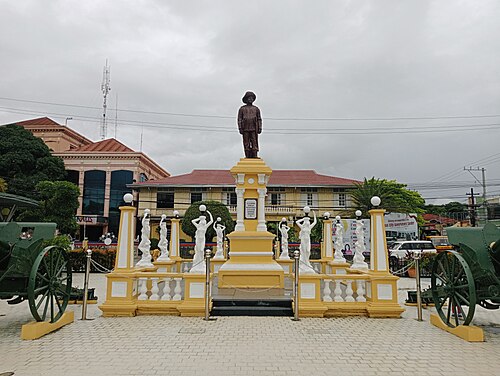
Imus is a city located in the province of Cavite in the Philippines. It serves as the capital of the province and is part of the Greater Manila Area, which makes it a vital hub for both economic and cultural activities. The city is situated approximately 25 kilometers south of Metro Manila, making it accessible for commuters and those seeking residential options outside the densely populated capital. Imus is known for its thriving commercial centers, residential developments, and a rich history that dates back to the Spanish colonial period. The city played a significant role during the Philippine Revolution, with several key events taking place in the area, including the famous Battle of Imus in 1896.
As of the latest census, Imus has a population exceeding 400,000 residents, reflecting rapid urbanization and growth in recent decades. The city is characterized by a blend of modern and historical attractions, with landmarks such as the Imus Cathedral, which showcases neo-gothic architecture, and the historic Imus Plaza. Additionally, Imus is known for its vibrant local culture, including festivals like the Mango Festival, which celebrates the city's agricultural heritage and promotes local businesses. The city is also gaining attention for its educational institutions and medical facilities, further contributing to its appeal as a residential choice for many families. With ongoing infrastructure developments, including improved transport systems and urban planning initiatives, Imus is positioning itself as a key player in the continued growth of the Cavite province and the larger Metro Manila region.
Facts about Imus
- Imus is known as the 'Historical Capital of Cavite' due to its significant role in the Philippine Revolution against Spanish colonization.
- The Battle of Imus, fought on September 3, 1896, was a crucial early encounter in the Philippine Revolution, leading to the eventual independence of the Philippines.
- Imus is home to the Imus Cathedral, formally known as the Cathedral of Our Lady of the Pillar, which is recognized for its intricate architecture and as a focal point of Catholic faith in the region.
- The city celebrates the 'Kawit Imus Festival' every January, which showcases the rich cultural heritage of Imus through street dancing, food fairs, and various community events.
- Imus has the largest number of barangays (villages) in Cavite, contributing to its diverse community and unique local governance structure.
- The Imus Public Market is one of the prominent landmarks, known for its wide variety of local produce, seafood, and traditional Filipino delicacies.
- Imus is also famous for its production of 'puto' (a type of rice cake), which is a popular snack and is often given as a gift during festive occasions.
- The city is home to the historic Poblacion area, which features colonial-era houses and buildings, offering a glimpse into the city's past.
- Imus is the site of the Imus Lawin Festival, which honors the hometown hero, General Emilio Aguinaldo, and celebrates the historical contributions of the city to the nation's fight for freedom.
- Imus was declared a city on December 10, 2012, making it one of the newest cities in the country, marked by rapid urbanization and development since its cityhood.