Incheon, South Korea
- 2,954,955 people
- 13 places to visit
- 37.4563, 126.7052
Places to Visit (13)
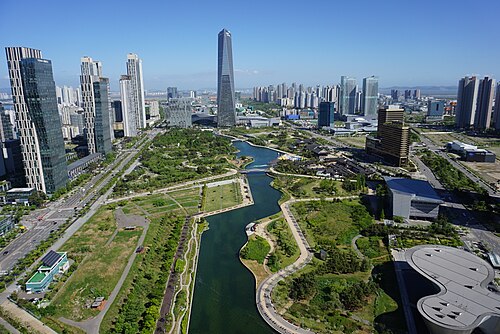
Incheon, located on the northwest coast of South Korea, is a major city and a significant port with a rich history and vibrant culture. It serves as a key link between the Asian continent and international destinations, primarily due to Its strategic location and extensive transportation infrastructure. As the third-largest city in South Korea, Incheon has a population of approximately 3 million residents, offering a diverse mix of urban life, technology, and natural beauty. The city's history dates back to the late 19th century when it opened as a treaty port in 1883, paving the way for modernization and international trade. Incheon played a pivotal role during the Korean War, notably with the famous Incheon Landing in 1950, which was a crucial operation led by General Douglas MacArthur.
Today, Incheon is home to the world-renowned Incheon International Airport, consistently ranked among the best airports globally, serving as a major hub for international travelers. The city boasts advanced urban development projects, including the Incheon Free Economic Zone, designed to attract foreign investment and accelerate economic growth. Incheon is also known for its modern attractions and recreational areas, such as Songdo International Business District, a smart city built on reclaimed land featuring futuristic architecture, parks, and waterfronts. Cultural landmarks, including Chinatown, Incheon’s historical sites, and the Incheon Art Platform, contribute to the city’s rich tapestry of traditions and contemporary life. Additionally, the annual Incheon Pentaport Rock Festival and the Incheon Global Fair & Festival highlight the city’s commitment to arts, entertainment, and international exchange.
Incheon is well-connected by various modes of transportation, ensuring easy access to Seoul and beyond. The city features an extensive subway system, which integrates with the capital’s network, along with bus and ferry services enhancing connectivity to its islands and coastal areas. The city’s diverse culinary scene offers a range of traditional Korean dishes and international cuisines, reflecting its multicultural atmosphere. As a city in constant evolution, Incheon stands as a testament to South Korea’s rapid development, blending history with modernity while playing a dynamic role in the nation’s socioeconomic landscape. Visitors to Incheon are drawn not only to its logistical conveniences but also to its unique blend of cultural experiences, making it a noteworthy destination in East Asia.
Facts about Incheon
- Incheon is home to South Korea's largest airport, Incheon International Airport, which has been consistently ranked among the best airports in the world.
- The city played a pivotal role in the Korean War, particularly known for the Incheon Landing operation in 1950, which was a critical turning point in the conflict.
- Incheon is known for its Songdo International Business District, a smart city built from the ground up, featuring advanced technology and sustainable design.
- It is the only city in South Korea with a designated Free Economic Zone, attracting foreign investment and promoting economic growth.
- Incheon has a rich history as a gateway for foreign trade and influence, with its port being one of the first to open to international trade during the late 19th century.
- The city is home to the Incheon Chinatown, the largest Chinatown in South Korea, established in the late 19th century, offering a unique cultural experience.
- Incheon hosts the prestigious Incheon Asian Games, which took place in 2014, showcasing various sports and attracting athletes from across Asia.
- The city's Incheon Grand Park is the largest urban park in South Korea, encompassing beautiful gardens, lakes, and recreational areas.
- Incheon has a unique blend of historical and modern architecture, exemplified by the Incheon Songdo Convensia, a state-of-the-art convention center.
- The city is known for its diverse cuisine, incorporating traditional Korean dishes and international flavors, with a strong emphasis on fresh seafood due to its coastal location.