Inda Silasē, Ethiopia
- 100,100 people
- 14.1016, 38.2836
No places available for this city.
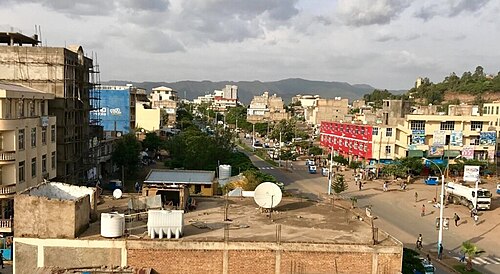
Inda Silasē is a town located in the Tigray region of Ethiopia, notable for its rich cultural heritage and strategic significance. Situated at an elevation of approximately 2,500 meters above sea level, Inda Silasē is characterized by its breathtaking landscapes, diverse flora and fauna, and a temperate climate that attracts visitors throughout the year. The town serves as a vital center for agriculture, primarily known for the cultivation of cereals, grains, and various fruits and vegetables, which are integral to the local economy. The surrounding areas are also home to traditional farming practices, with many households engaging in subsistence agriculture.
Historically, Inda Silasē has played a prominent role in the region, particularly during the reign of the Ethiopian Empire. It is known for its proximity to significant historical sites, including churches and monasteries that reflect the rich religious traditions of the Ethiopian Orthodox Church. These cultural landmarks draw both domestic and international tourists, thereby contributing to the local economy and promoting the preservation of Ethiopian heritage. Furthermore, the town serves as a transportation hub, connecting various rural communities to larger cities in the region, facilitating trade and social interaction. Despite facing challenges such as political instability and economic development pressures, Inda Silasē remains a vital and enduring part of Ethiopia's cultural landscape, reflecting the resilience and spirit of its inhabitants.
Facts about Inda Silasē
- Inda Silasē is known for its significance as a cultural and historical center in the Tigray region of Ethiopia.
- The city is home to the ancient church of Debre Damo, which is notable for being one of the oldest monastic sites in Ethiopia, accessible only by climbing a steep cliff.
- Inda Silasē served as a vital trade hub during the medieval period, facilitating commerce between the highlands and lowlands of Ethiopia.
- The city features unique traditional houses made from mud and wood, showcasing the architectural style typical of the Tigray region.
- Inda Silasē has a bustling market that attracts locals and visitors alike, offering a variety of traditional crafts, spices, and agricultural products.
- The city hosts the annual Meskal festival, celebrating the finding of the True Cross, which draws large crowds and is marked by vibrant processions and communal feasting.
- Inda Silasē is strategically located near the historical city of Axum, renowned for its ancient obelisks and connections to Ethiopian royalty.
- The area surrounding Inda Silasē is rich in archaeological sites, including ancient ruins that illustrate Ethiopia's long and diverse history.
- The local economy is heavily based on agriculture, with farmers growing crops such as teff and enset, both staples of Ethiopian cuisine.
- Inda Silasē is known for its welcoming community, renowned for its hospitality and traditional Ethiopian coffee ceremonies, a significant cultural aspect.